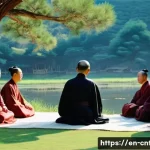
Hello, fellow learners and curious minds! Have you ever paused to think about what truly shapes a well-rounded individual, beyond just textbook knowledge?

I’ve personally found myself reflecting on how our modern educational pathways, while fantastic in many ways, sometimes overlook the deeper aspects of character and community.
That’s why the Confucian education system, with its ancient wisdom, has always fascinated me, especially how its enduring principles are finding surprising new relevance in our fast-paced 21st-century world.
It’s not just about rote learning anymore; it’s about a holistic approach that cultivates moral character, ethical values, and a strong sense of social responsibility alongside intellectual growth.
What if blending this age-old philosophy with our contemporary teaching methods could unlock a more profound and impactful learning experience for everyone?
Let’s dive deeper and precisely explore how these timeless ideas can enrich our understanding of education today.
Hello, fellow learners and curious minds! I’ve personally found myself reflecting on how our modern educational pathways, while fantastic in many ways, sometimes overlook the deeper aspects of character and community.
Building Character: Beyond Standardized Tests
What truly makes an educated person? Is it just acing exams and getting into a top university, or is there something more profound? I’ve spent years observing how much pressure young people are under to perform academically, and while intellectual rigor is crucial, I’ve often felt a piece of the puzzle was missing.
It’s like we’re so focused on the ‘what’ of learning that we sometimes forget the ‘who’ – who our children are becoming as individuals. Confucian thought, from what I’ve immersed myself in, places an immense emphasis on cultivating inner virtue, starting with self-reflection and striving for moral excellence.
It’s about developing integrity, empathy, and a strong sense of purpose that transcends a grade point average. This isn’t just theory; I’ve seen in my own life and in the lives of those around me that true resilience and fulfillment often come from a strong moral compass, not just a high IQ.
It challenges us to look beyond the immediate metrics of success and consider the long-term impact of character development on a person’s entire life trajectory, helping them navigate complex ethical dilemmas they’ll inevitably face in adulthood.
It pushes us to ask: are we preparing students to simply *succeed* in a career, or to *thrive* as ethical human beings who contribute positively to society?
It’s a crucial distinction, and one that feels more pressing now than ever.
The Role of Self-Cultivation in Personal Growth
Self-cultivation isn’t about isolating yourself; it’s about a continuous journey of self-improvement that starts from within. I remember thinking, when I first delved into these ideas, how much modern self-help gurus actually echo some of these ancient principles.
It’s about being mindful of your actions, your thoughts, and how they impact those around you. For me, it translates into taking responsibility for my own learning and growth, not just waiting for someone else to teach me.
When we talk about “knowing thyself,” Confucianism offers a practical framework, encouraging rigorous self-examination to identify weaknesses and then actively working to overcome them.
It’s a lifelong endeavor, reminding us that education isn’t a destination but a constant process of refining our character, always striving to be a better version of ourselves.
This kind of introspective practice can be incredibly empowering, giving individuals a sense of agency over their own development and fostering a genuine desire for ethical conduct in all aspects of life.
Nurturing Empathy and Compassion from a Young Age
One of the most beautiful aspects of this philosophy, in my opinion, is its profound emphasis on empathy and compassion. It’s not just about understanding rules; it’s about understanding *people*.
We often talk about emotional intelligence today, and it strikes me how much Confucian principles align with that. Teaching children to “treat others as you would wish to be treated” isn’t just a simple saying; it’s a cornerstone of ethical interaction.
I’ve observed that when education actively promotes understanding different perspectives and feeling for others, it creates a much more harmonious learning environment.
Imagine a classroom where kindness and mutual respect are just as highly valued as academic achievement. This kind of nurturing can prevent bullying, foster cooperation, and prepare students to be compassionate citizens in an increasingly interconnected and often divided world.
It’s about seeing our shared humanity and fostering a sense of interconnectedness.
Leadership with a Conscience: Guiding Future Innovators
In today’s dynamic business world, we often celebrate disruptive innovation and aggressive growth. But what about the *impact* of that growth? I’ve personally seen how a singular focus on profit can sometimes lead to ethical shortcuts or a disregard for social responsibility.
This is where the ancient wisdom of Confucianism, particularly its principles of ethical leadership, feels incredibly timely. It’s not about being a dictator, but about leading by example, inspiring trust, and genuinely caring for the well-being of your team and community.
A leader, in this context, isn’t just someone who gives orders but someone who cultivates a virtuous environment, fostering integrity and a sense of shared purpose.
I recall a time when I worked for a startup that prioritized rapid expansion above all else; the burnout and disillusionment among employees were palpable.
It taught me firsthand that true leadership involves more than just strategic acumen; it requires a moral foundation, a commitment to fairness, and the humility to listen.
The idea that a leader’s virtue inspires those around them isn’t some quaint historical concept; it’s a powerful tool for building sustainable, ethical, and highly motivated teams in any industry.
It means fostering an environment where ethical considerations are baked into decision-making from the ground up, not just an afterthought.
The Power of Leading by Example
“Walk the talk” – it’s a phrase we hear often, but Confucian thought truly elevates it to an art form. I’ve found that people don’t just listen to what you say; they watch what you do, especially when you’re in a position of authority.
A leader who embodies the values they preach naturally commands respect and inspires loyalty. Think about the mentors or managers you’ve admired most; weren’t they the ones whose actions consistently matched their words?
This principle extends beyond the boardroom to every facet of life. In education, it means teachers modeling curiosity, integrity, and lifelong learning.
In families, it’s parents demonstrating patience and kindness. This consistent personal example creates a powerful ripple effect, shaping the culture and moral landscape of any group.
It’s about authenticity, and it’s a quality that genuinely resonates with people in an era where trust often feels in short supply.
Fostering a Culture of Responsibility and Accountability
One of the cornerstones of effective leadership, as I’ve come to understand it, is creating a clear sense of responsibility and mutual accountability.
It’s not about blame; it’s about collective ownership. Confucian ideas stress that everyone, from the top leader to the newest team member, has a role to play in upholding ethical standards and contributing to the common good.
I’ve noticed that when people feel a genuine sense of responsibility for their actions and understand how they fit into the larger picture, they become more engaged and proactive.
This isn’t just about individual performance reviews; it’s about building a system where ethical conduct is the norm, and where individuals are empowered to speak up when they see something amiss.
It creates a robust, self-correcting environment where ethical lapses are less likely to occur, and where trust and transparency flourish.
Forging Stronger Social Bonds in a Fragmented World
Let’s be honest, in our hyper-individualistic society, it’s easy to feel disconnected. Social media, while amazing for some things, can sometimes paradoxically make us feel more alone.
I’ve personally felt this pull towards isolation, and it makes me appreciate the Confucian emphasis on the importance of human relationships and community.
It’s not just about superficial networking; it’s about deeply ingrained respect, reciprocity, and a sense of belonging that starts within the family unit and expands outward.
Imagine a world where people genuinely prioritized strengthening their connections with neighbors, colleagues, and local community members. It’s about seeing ourselves not just as isolated individuals but as integral parts of a larger whole, with duties and responsibilities to those around us.
This philosophy offers a powerful antidote to the alienation many feel today, reminding us that our well-being is intrinsically linked to the health of our communities.
I think about the rise of local community initiatives and volunteer groups – they’re all reflections of this innate human desire to connect and contribute meaningfully.
It’s a powerful framework for building more cohesive and supportive societies.
The Family as the Cornerstone of Society
It might sound old-fashioned to some, but I’ve always been struck by the profound wisdom in seeing the family as the fundamental building block of a healthy society.
In a world where families often feel fragmented or under immense pressure, the Confucian emphasis on filial piety – respect for elders and parents – isn’t just about tradition; it’s about recognizing the wisdom and experience of those who came before us.
I’ve personally found that maintaining strong family ties, even as an adult, provides an incredible anchor and support system. It teaches us our first lessons in responsibility, empathy, and unconditional love.
When these foundational relationships are strong, the ripple effect on society is immense. It creates a sense of belonging and continuity that truly nourishes the human spirit.
It’s a powerful reminder that stability and ethical values often begin in the home.
Expanding Benevolence Beyond Kin
While the family is primary, Confucian thought doesn’t stop there. It advocates for extending that same benevolence, respect, and sense of duty outward to our wider communities, to friends, neighbors, and even strangers.
This concept, often called ‘ren’ or ‘humaneness,’ is about universal compassion. I’ve seen firsthand how powerful it is when people consciously choose to treat those outside their immediate circle with the same consideration they’d give a family member.
It transforms neighborhoods, workplaces, and even global interactions. It’s about building a society based on mutual respect and understanding, rather than competition and suspicion.
This outward expansion of empathy is, I believe, crucial for tackling global challenges and fostering a more peaceful and cooperative world. It’s a call to action to see the humanity in everyone.
Embracing Continuous Learning: A Lifelong Journey
In our rapidly evolving world, the idea that you finish your education after college is completely outdated, wouldn’t you agree? I’ve personally felt the constant need to upskill, learn new technologies, and adapt to changing paradigms in my own career.
What truly resonates with me from Confucian philosophy is its profound commitment to lifelong learning, not just as a practical necessity but as a moral imperative.
It’s about cultivating wisdom throughout your entire life, constantly seeking knowledge, and reflecting on experiences to grow. It’s not just about accumulating facts; it’s about internalizing lessons and integrating them into your character.
I’ve observed that the most truly successful and contented individuals are those who retain a sense of curiosity and an openness to new ideas, regardless of their age or accomplishments.

This pursuit of wisdom makes us more adaptable, resilient, and intellectually vibrant. It’s a beautiful vision of a life well-lived, where every day offers an opportunity for further growth and enlightenment.
The Joys of Unending Intellectual Curiosity
Think about the last time you truly dove deep into a new topic just for the sheer joy of it, not because you had to for work or school. That feeling of discovery, of expanding your understanding, is exactly what Confucian learning celebrates.
It’s about fostering an intrinsic love for knowledge, an unending intellectual curiosity that keeps your mind sharp and your spirit engaged. I’ve personally found that the moments I feel most alive are when I’m grappling with a new concept or exploring an unfamiliar field.
This isn’t just academic; it spills over into all areas of life, making you a more interesting person to yourself and others. It’s about treating the world as your classroom, and every experience as a potential lesson.
This kind of mindset makes life incredibly rich and prevents stagnation, always encouraging us to push our boundaries.
Reflection as a Tool for Deeper Understanding
Learning isn’t just about input; it’s critically about processing and internalizing. This is where the Confucian emphasis on reflection really shines.
I remember in my younger years, I’d rush from one task to the next, barely pausing to consider what I’d learned or how I could do things better. It was only when I started consciously setting aside time for reflection – journaling, meditating, or simply sitting in quiet thought – that I truly began to integrate my experiences.
This reflective practice helps you connect the dots, understand consequences, and internalize moral lessons. It transforms raw experience into genuine wisdom.
It’s about asking “why?” and “how can I improve?” constantly. This deliberate introspection is a powerful tool for personal and intellectual growth, making learning a much more profound and transformative experience.
It makes sure that knowledge isn’t just stored, but truly understood and applied.
Bridging Ancient Wisdom with Modern Innovation
It might seem like a stretch to connect 2,500-year-old philosophy with the cutting edge of 21st-century innovation, but bear with me. What I’ve come to realize is that true innovation isn’t just about technology; it’s about solving human problems in ethical and sustainable ways.
And for that, we absolutely need a strong moral and communal foundation. The principles of harmony, reciprocity, and a collective good, so central to Confucian thought, can actually provide a powerful ethical compass for navigating the complexities of artificial intelligence, biotechnology, and global interconnectedness.
I’ve personally wrestled with questions about the ethical implications of emerging technologies, and I often find myself returning to the idea of “doing no harm” and considering the broader societal impact of our creations.
It’s about ensuring that our incredible advancements serve humanity’s best interests, rather than just chasing profit or convenience. Blending ancient wisdom with modern ingenuity means creating innovations that are not only clever but also kind, responsible, and ultimately enriching for all.
| Modern Educational Goals | Confucian-Inspired Educational Goals |
|---|---|
| Academic Achievement (Grades, Test Scores) | Holistic Character Development (Virtue, Ethics, Self-Cultivation) |
| Career Preparation (Job Skills, Employability) | Ethical Leadership & Social Responsibility (Serving Community) |
| Individual Success (Personal Accomplishment, Wealth) | Harmony & Collective Well-being (Interpersonal Relationships) |
| Critical Thinking & Problem Solving | Lifelong Learning & Wisdom (Continuous Reflection) |
| Technological Proficiency & Innovation | Applying Innovation Ethically (Benevolence in Action) |
Ethical Frameworks for the Digital Frontier
We’re living through an unprecedented technological revolution, and with incredible power comes immense responsibility, right? I’ve seen firsthand how quickly ethical questions can arise in areas like data privacy, AI bias, and the impact of social media on mental health.
This is precisely where a robust ethical framework, informed by timeless principles, becomes indispensable. Confucian thought, with its emphasis on humaneness, righteousness, and ritual (understood as appropriate social conduct), offers a profound lens through which to evaluate these new frontiers.
It encourages us to think beyond immediate gains and consider the long-term societal implications of our innovations. I believe that by grounding our technological progress in a deep understanding of human flourishing and ethical conduct, we can build a future that is not only advanced but also just and compassionate.
It means designing technology that enhances human connection and well-being, not diminishes it.
Fostering Innovation with a Purpose
Innovation for innovation’s sake can be a dangerous path. What if we shifted our focus from simply “what can we build?” to “what problem can we solve ethically and sustainably for the collective good?” This purposeful innovation, deeply rooted in a sense of social responsibility, is precisely what Confucian ideas encourage.
It’s about channeling our creativity and intelligence towards solutions that genuinely benefit society, rather than just creating new gadgets or services.
I’ve found that when innovation is driven by a strong sense of purpose and ethical values, it tends to be more impactful, more sustainable, and ultimately more fulfilling for everyone involved.
It encourages us to ask not just if we *can* do something, but if we *should*, and how we can do it in a way that respects human dignity and promotes harmony.
It’s a powerful way to ensure progress serves humanity, rather than the other way around.
Finding Purpose: The Quest for Meaningful Contribution
Let’s face it, many of us, myself included, have at some point wrestled with the bigger questions: What am I here for? What’s the point of it all? In our material-driven world, it’s easy to get caught up in the pursuit of external markers of success, only to find a lingering sense of emptiness.
I’ve personally experienced moments where a big accomplishment felt hollow because it lacked deeper meaning. This is where the Confucian quest for meaningful contribution, often expressed through the idea of “rectification of names” and fulfilling one’s role, offers profound guidance.
It’s not about being famous or rich; it’s about understanding your unique place in the world and striving to fulfill your responsibilities with integrity and purpose, whether you’re a teacher, a parent, an entrepreneur, or an artist.
This isn’t about rigid adherence to roles but about finding authentic ways to contribute your best to the world around you. It reminds us that true fulfillment often comes from aligning our actions with our values and making a positive impact on others.
It’s a powerful framework for living a life rich in purpose and significance.
Understanding Your Role and Responsibilities
One of the core insights I’ve gained from exploring Confucian thought is the importance of understanding and embracing your specific roles within your family, community, and profession.
It’s not about being boxed in, but about recognizing the unique responsibilities that come with each position you hold. I remember when I first started my blog; I didn’t just think about what I wanted to write, but what value I wanted to *provide* to my readers.
That shift in perspective, from “what do I get?” to “what do I give?”, felt incredibly liberating and purposeful. When we consciously strive to fulfill our roles with integrity and dedication, whether as a parent, an employee, or a friend, we create a ripple effect of stability and positive influence.
It brings clarity and direction to our daily actions, making even mundane tasks feel more meaningful because they contribute to a larger, more harmonious whole.
It’s about owning your agency and using it for good.
Contributing to the Greater Good Through Service
Ultimately, the Confucian emphasis on purpose culminates in the idea of contributing to the greater good through service. It’s about transcending self-interest and finding fulfillment in helping others and improving the world around you.
I’ve personally found that some of the most profound joys in my life have come from moments where I was able to genuinely help someone else, without expecting anything in return.
Whether it’s volunteering, mentoring, or simply being a supportive friend, these acts of service connect us to something larger than ourselves. This isn’t about grand gestures; it’s about countless small acts of kindness, responsibility, and empathy that collectively build a more humane and flourishing society.
It reminds us that our individual lives gain deeper meaning when they are interwoven with the well-being of the collective, making our personal purpose inextricably linked to the betterment of humanity.
Wrapping Up
As we wrap up our journey through these timeless principles, I truly hope you’ve felt as inspired as I have by the profound relevance of Confucian wisdom in our modern lives. It’s been a genuine pleasure sharing my thoughts on how these ancient ideas can truly enrich our educational systems, shape our leaders, strengthen our communities, and guide our personal quest for meaning. Remember, cultivating character, leading with integrity, fostering strong bonds, and embracing lifelong learning aren’t just historical concepts; they are vibrant, actionable pathways to a more fulfilling and harmonious existence right here, right now.
Good-to-Know Information
1. Mindful Reflection Practices: Start your day with just five minutes of quiet reflection. Ask yourself, “What kind of person do I want to be today?” or “How can I bring integrity to my interactions?” This small habit, deeply rooted in Confucian self-cultivation, can profoundly shift your perspective and guide your actions towards your best self. I’ve personally found it incredibly grounding amidst a busy schedule, helping me stay true to my values. It’s not about perfection, but consistent, gentle self-assessment that leads to gradual, lasting improvement.
2. The Power of Intergenerational Learning: Don’t underestimate the wisdom held by elders in your family or community. Actively seeking their stories, advice, and insights isn’t just a sign of respect; it’s a goldmine of experience that can inform your decisions and broaden your worldview. I often chat with my own grandparents about challenges they faced, and I’m always amazed at how their past experiences offer such fresh perspectives on my modern dilemmas. This exchange fosters deeper bonds and enriches everyone involved, bridging generational gaps beautifully.
3. Ethical Leadership in Action: Whether you’re a manager, a team leader, or simply a mentor, remember that your actions speak volumes. Prioritize transparency, fairness, and the well-being of those you lead. I once had a boss who consistently put our team’s growth before her own advancement, and that selfless attitude inspired unparalleled loyalty and productivity. Cultivating an environment where trust and mutual respect thrive, as Confucian principles suggest, doesn’t just make for a better workplace; it fosters genuine human connection and shared purpose that benefits everyone.
4. Building Community in a Digital Age: While screens can sometimes isolate us, we can consciously use them to connect meaningfully. Join local online groups, participate in virtual book clubs, or even initiate a neighborhood messaging group. The goal is to extend ‘ren’ – humaneness – beyond your immediate circle. I recently started a small online group for local food enthusiasts, and it quickly blossomed into real-life meetups, proving that digital connections can indeed pave the way for stronger community bonds, reinforcing the idea of shared purpose.
5. Confucianism as a Living Philosophy: Dive deeper into the rich texts of the Analects or the Mencius. You don’t need to become a scholar, but even reading a few passages can offer profound insights into character, ethics, and governance that feel surprisingly relevant today. Many modern interpretations and podcasts make these ancient texts incredibly accessible, helping you integrate these powerful ideas into your own personal and professional philosophy. I’ve found that exploring these works has provided a robust ethical framework for navigating the complexities of our rapidly changing world, guiding me towards more thoughtful decisions.
Key Takeaways
Ultimately, embracing Confucian principles in the 21st century isn’t about rigid adherence to ancient rules; it’s about rediscovering a holistic path to personal and societal flourishing. We’ve seen how integrating character development alongside academic achievement can nurture more resilient and empathetic individuals. Ethical leadership, rooted in benevolence and integrity, promises to guide future innovators towards creating solutions that truly serve humanity. Furthermore, by consciously strengthening our social bonds and committing to lifelong learning and reflection, we can cultivate more cohesive, compassionate communities and find deeper purpose in our own contributions. This blend of ancient wisdom and modern ingenuity offers a powerful compass for navigating a complex world, ensuring that our progress is always underpinned by profound human values and a collective commitment to the greater good.
Frequently Asked Questions (FAQ) 📖
Q: How can something as ancient as the Confucian education system truly be relevant and useful in our super modern, tech-focused 21st-century world? Isn’t it just a historical curiosity?
A: Oh, I totally get why you might think that! When we hear “ancient,” our minds often jump to dusty textbooks and outdated practices. But I’ve personally wrestled with this idea, and what I’ve discovered is truly fascinating.
Confucian principles, at their core, aren’t about specific technologies or even particular governments; they’re about universal human values and how we interact as a society.
Think about it: in our incredibly interconnected yet often fragmented world, wouldn’t a renewed focus on mutual respect, ethical leadership, and harmonious community building be incredibly valuable?
I mean, with the rise of AI and complex global challenges, critical thinking, empathy, and a strong moral compass are more crucial than ever. Confucian thought encourages us to constantly learn, reflect, and strive for self-improvement – “gentlemanly conduct” if you will – which I’ve found translates perfectly into developing adaptable, responsible citizens who can navigate uncertainty with integrity.
It’s less about memorizing old texts and more about cultivating a mindset that values lifelong learning and ethical action, which, in my experience, is exactly what the 21st century demands.
Q: Okay, so if we’re talking about character and morality, what specific elements from Confucian education can actually help young people develop stronger ethics and a sense of community today, especially when so much focus is on individual achievement?
A: This is a question close to my heart because I’ve seen firsthand how a hyper-focus on individual metrics can sometimes leave a void in character development.
Confucianism offers some powerful remedies here. Concepts like ‘Ren’ (benevolence or humaneness) teach us to genuinely care for others, to put ourselves in their shoes.
‘Li’ (propriety) isn’t about rigid rules, but about understanding social etiquette and respecting others, fostering an environment where everyone feels valued.
And ‘Yi’ (righteousness) encourages us to always do what’s morally right, even when it’s difficult, rather than just what’s convenient or self-serving.
I’ve always felt that teaching these values goes beyond simply telling kids to “be nice.” It’s about building a framework for ethical decision-making and understanding our interconnectedness.
When I think about the importance of teamwork in today’s workplaces or the need for compassionate leadership, these ancient ideas suddenly feel incredibly relevant.
It cultivates a sense of belonging and responsibility to something larger than oneself, which is, honestly, a beautiful thing to witness in action.
Q: Integrating a whole new philosophy sounds daunting for already busy schools. How can we practically blend Confucian principles into our current educational models without just adding more pressure, and what benefits would students actually see?
A: Let’s be real, no one wants more homework or an even more packed curriculum, right? The beauty of integrating Confucian principles isn’t about adding another subject; it’s about shifting how we approach existing subjects and school culture.
Imagine, for instance, incorporating discussions on ethical dilemmas into history or literature classes, encouraging students to consider different perspectives and the moral implications of actions.
Or perhaps fostering mentorship programs where older students guide younger ones, cultivating that sense of ‘filial piety’ (respect for elders) in a modern context.
What I’ve observed is that simple changes can have a profound impact. Even creating spaces for students to reflect on their actions, discuss conflicts constructively, and engage in community service can subtly embed these values.
The benefits? Oh, they’re huge! I believe students would develop stronger emotional intelligence, better conflict resolution skills, a deeper sense of purpose, and more resilience.
Imagine a classroom where kindness and respect are as highly valued as academic scores – it’s not just a pipe dream. It creates a more supportive, engaging, and ultimately, more human learning environment that genuinely prepares them for life, not just tests.