Hey everyone, ever caught yourself daydreaming about a life filled with vitality and endless possibilities? It’s a primal human desire, isn’t it, this quest for longevity?
While modern science explores incredible breakthroughs in anti-aging, I’ve always been captivated by how ancient traditions approached the very same idea.
Take Taoism, for instance. This profound philosophy from ancient China offers a truly unique perspective on ‘immortality,’ moving beyond simple physical existence to embrace a deep harmony with the universe.
It’s not just about living long, but living *well*, with a vibrant spirit that feels truly ageless. What if unlocking the secrets to a fulfilling, extended life has less to do with futuristic tech and more with ancient wisdom we can apply right now?
Let’s dive deep and explore this fascinating concept together!
Embracing the Flow: Unlocking Your Innate Vitality
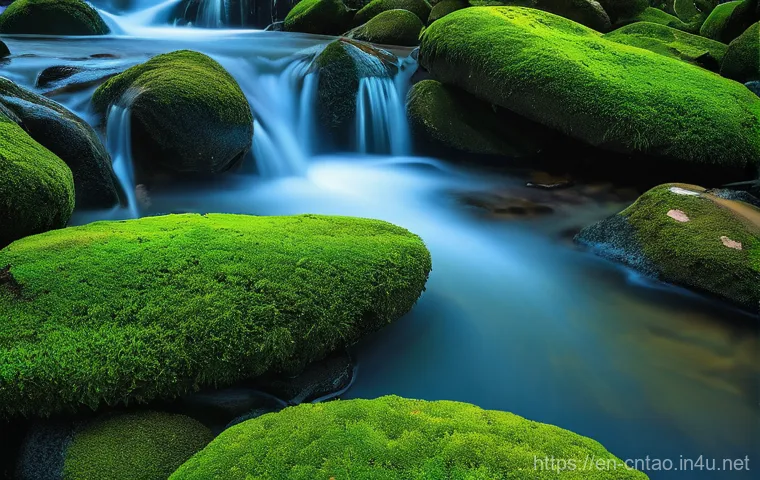
You know, it’s easy to get caught up in the hustle and bustle, feeling like we’re constantly pushing against the current. But what if longevity isn’t about fighting time, but rather learning to flow with it, like a calm river?
That’s really the essence of what I’ve discovered through diving into ancient wisdom, particularly Taoism. It’s less about some magical elixir and more about understanding our own internal energy, what they call ‘Qi,’ and how it interacts with the world around us.
Think of Qi as your life force, your intrinsic vitality. When your Qi is flowing freely and abundantly, you feel vibrant, energetic, and resilient. When it’s stagnant or depleted, that’s when we start feeling run down, stressed, and perhaps even prone to illness.
It’s a concept that truly resonated with me, especially after years of feeling like I was always on the verge of burnout. Learning to listen to my body’s subtle cues and actively cultivate this internal energy has been a game-changer, not just for my physical health but for my mental clarity and emotional well-being too.
It’s an ongoing journey, of course, but one that genuinely feels empowering and deeply connected to a more harmonious way of living.
Connecting with Your Internal Energy (Qi)
Learning to perceive and cultivate your own Qi isn’t about some mystical, unattainable practice; it’s surprisingly practical and grounded. For me, it started with simply becoming more aware of my breath.
Deep, diaphragmatic breathing isn’t just for relaxation; it’s a powerful tool for circulating energy throughout your body. I try to carve out even just ten minutes each morning for some focused breathwork, and I genuinely feel a difference in my energy levels throughout the day.
It’s like giving your internal battery a little top-up. Beyond breathing, gentle movement, like a slow walk in nature or some mindful stretching, can also help clear blockages and encourage a smoother flow of Qi.
It’s about tuning into what feels good for your body, rather than pushing it to its limits.
Finding Balance in the Everyday
Life is all about balance, isn’t it? And when it comes to our vitality, it’s even more crucial. Taoists often talk about Yin and Yang – the interplay of complementary forces.
This isn’t just abstract philosophy; it translates directly into how we live. Are you always on the go (Yang), or do you allow yourself enough time for rest and recovery (Yin)?
I’ve realized that true balance isn’t a static state, but a dynamic dance. It’s about knowing when to be active and when to be still, when to engage and when to withdraw.
For me, this means consciously scheduling downtime, even if it’s just curling up with a book or taking a quiet walk. It’s about honoring both the active and restful aspects of my nature, and honestly, that’s when I feel most alive and resilient.
Nourishing Your Body and Soul: Beyond Just What’s on Your Plate
When we talk about longevity, our minds often jump straight to diet and exercise, and while those are absolutely critical, ancient wisdom reminds us that true nourishment goes so much deeper.
It’s not just about counting calories or macros; it’s about feeding your entire being – your physical body, your emotional heart, and your spiritual core.
I’ve personally experienced the profound impact of this holistic approach. There were times in my life when I was “eating right” by conventional standards, yet I still felt a deep sense of depletion.
It was only when I started considering how my relationships, my environment, and my emotional state were impacting me that I began to truly thrive. This philosophy encourages us to see ourselves as part of a larger ecosystem, where everything we consume, from food to thoughts, contributes to our overall vitality.
It’s about cultivating a deep sense of gratitude for what we receive and being mindful of how our choices reverberate throughout our entire lives.
Mindful Eating for Greater Vitality
Let’s talk about food for a second. We’ve all heard the phrase “you are what you eat,” right? But what if it’s also about *how* you eat?
Taoist principles emphasize consuming food that’s in harmony with nature and our own constitution. This isn’t about strict diets but rather an intuitive approach to food.
I’ve found that paying attention to seasonal foods, and trying to eat locally grown produce whenever possible, makes a huge difference not just in taste, but in how my body feels.
It’s amazing how much more vibrant and energetic I feel when I’m eating food that’s fresh and truly alive. And here’s a big one for me: slowing down during meals.
Put away the phone, turn off the TV, and truly savor each bite. It sounds simple, but it dramatically improves digestion and helps you feel more satisfied, preventing overeating.
The Power of Emotional and Spiritual Nourishment
Beyond kale and quinoa, our emotional and spiritual landscape plays a massive role in our longevity. Neglecting our inner world can be just as detrimental as a poor diet.
I’ve realized that holding onto grudges, constantly stressing, or feeling isolated can drain our energy just as effectively as junk food. This is where practices like forgiveness, cultivating positive relationships, and finding a sense of purpose really come into play.
For me, connecting with nature, spending time with loved ones, and engaging in creative pursuits are my go-to sources of spiritual nourishment. It’s about finding what replenishes *your* soul, what makes you feel connected and alive.
It’s not always easy, but consciously prioritizing these aspects of life has been transformative.
Harmonizing with Nature’s Rhythms: Living Seasonally
We live in a world that often tries to defy nature. We stay up late, work long hours under artificial light, and eat the same foods year-round, regardless of what’s in season.
But ancient wisdom, especially Taoism, constantly reminds us that we are an integral part of nature, not separate from it. Embracing the rhythms of the natural world – the changing seasons, the cycle of day and night – is incredibly powerful for supporting our health and extending our vitality.
It’s like going against the grain, constantly swimming upstream, when we ignore these fundamental cycles. I remember when I first started paying conscious attention to this; it felt a bit strange, almost counter-cultural, but the benefits have been undeniable.
My sleep improved, my energy levels became more stable, and I just felt more grounded and at peace. It’s about creating an internal alignment with the external world, allowing nature to guide our daily choices rather than fighting against its inherent wisdom.
Tuning into Circadian Rhythms for Better Sleep
Our bodies are hardwired to the 24-hour light and dark cycle. This is our circadian rhythm, and respecting it is paramount for longevity. I used to be a night owl, burning the midnight oil, convinced I was more productive.
What I actually was, was perpetually tired and a bit foggy-brained. Getting to bed and waking up around the same time each day, even on weekends, has been a revelation for my energy and overall mood.
Limiting screen time before bed, creating a dark and cool sleep environment, and even enjoying a relaxing herbal tea can make a huge difference. It’s about signaling to your body that it’s time to wind down and prepare for restorative sleep, which is truly one of the most powerful anti-aging tools we have.
Eating with the Seasons: A Return to Wholeness
Think about it: nature provides what we need when we need it. In summer, we get cooling fruits and vegetables. In winter, hearty root vegetables and warming foods.
Eating seasonally isn’t just a trend; it’s a profound way to support your body’s natural needs and improve your nutritional intake. I’ve noticed a significant improvement in my digestion and overall energy since I started making a conscious effort to eat what’s in season.
Not only does the food taste better and fresher, but I also feel more connected to the cycle of the earth. It’s a simple yet powerful shift that can have a ripple effect on your entire well-being.
Plus, supporting local farmers who grow seasonal produce is a fantastic bonus!
The Art of Effortless Action (Wu Wei) in a Hectic World
In our modern, go-go-go culture, the idea of “effortless action” might sound completely counterintuitive, even lazy. But in Taoist philosophy, it’s a profound principle called Wu Wei, and it’s actually about peak performance and sustained vitality.
It’s not about doing nothing, but about acting in alignment with the natural flow of things, without force or undue struggle. Think of a skilled athlete or artist who seems to move with incredible grace and ease; they’re operating from a place of Wu Wei.
For me, this principle has been a powerful antidote to burnout. I used to push myself relentlessly, believing that more effort always equaled better results.
What I often ended up with was exhaustion and frustration. Learning to distinguish between productive effort and wasteful struggle has been a huge lesson, allowing me to achieve more with less stress and a greater sense of peace.
It’s about finding the path of least resistance, not because you’re avoiding work, but because you’re working smarter, more harmoniously.
Finding Your Flow State: Beyond Just Work
We often hear about “flow state” in high-performance contexts, but Wu Wei suggests that this natural, effortless engagement can be integrated into all areas of our lives.
It’s that feeling when you’re completely absorbed in an activity, losing track of time, and operating with a sense of ease and joy. For me, this happens when I’m writing, gardening, or even deeply engaged in a conversation with a friend.
The key, I’ve found, is to minimize distractions and fully immerse myself in the task at hand. When you’re in flow, you’re not just getting things done; you’re also replenishing your energy, rather than depleting it.
It’s a powerful way to not only be more effective but also to cultivate a deeper sense of satisfaction and purpose.
Letting Go of Control: Trusting the Process
This is probably the hardest part of Wu Wei for many of us, myself included! We’re conditioned to believe that we must control every outcome, plan every step, and micromanage every detail.
But true effortless action often requires a degree of surrender – trusting that things will unfold as they should, allowing for flexibility and adaptation.
It doesn’t mean being passive; it means acting intentionally but without rigid attachment to specific results. I’ve learned that sometimes, the best course of action is to simply observe, allow, and then respond gracefully.
This approach has significantly reduced my stress levels and opened me up to unexpected opportunities. It’s about understanding that while we can influence our journey, we can’t always dictate the destination, and there’s a certain freedom in that acceptance.
Cultivating Inner Stillness: The Power of Presence
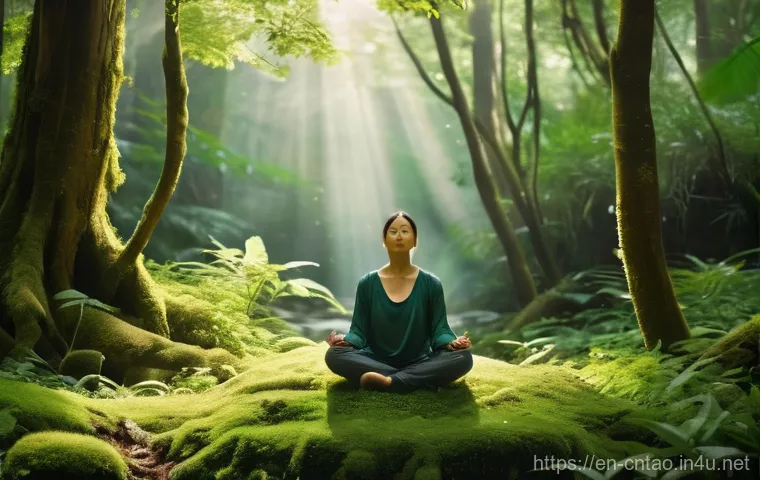
In our hyper-connected, constantly stimulated world, finding moments of genuine stillness can feel like a luxurious indulgence, or even an impossible feat.
But Taoist teachings highlight inner stillness not as an escape, but as a crucial foundation for vibrant health and extended longevity. It’s in these quiet moments that we can truly listen to our inner wisdom, recharge our minds, and reconnect with our essential nature.
I used to think of stillness as simply doing nothing, and honestly, that often made me feel restless. It was only when I began to understand stillness as an active process of presence, of simply *being*, that its profound benefits became clear.
It’s about stepping off the hamster wheel of constant thought and activity, even for just a few minutes, to allow your mind and body to recalibrate. This isn’t about ignoring the world; it’s about creating an internal sanctuary that allows you to engage with the world more effectively and with greater resilience.
Meditation and Mindfulness: Anchoring Yourself in the Present
When people hear “meditation,” they often picture hours of sitting cross-legged, but it doesn’t have to be that way! For me, mindfulness is about bringing a focused awareness to whatever I’m doing, whether it’s sipping my morning coffee or taking a walk.
It’s about noticing the sensory details, quieting the internal chatter, and simply being present. Even just five minutes of focused breathing or a short guided meditation can make a huge difference in my day, helping me feel more centered and less reactive.
It’s like a mental reset button. These practices aren’t about emptying your mind, but about changing your relationship with your thoughts, observing them without judgment, and allowing them to pass like clouds in the sky.
The Benefits of Disconnecting and Unplugging
We are constantly bombarded with information, notifications, and demands on our attention. While technology has its advantages, I’ve found that regularly disconnecting and unplugging is vital for cultivating inner stillness.
It’s amazing how much clearer my thoughts become, and how much more energy I have, after a digital detox, even if it’s just for an afternoon. Designating screen-free times, turning off notifications, and consciously engaging in activities that don’t involve a screen are practices I now swear by.
It’s not about being anti-tech; it’s about reclaiming your attention and creating space for genuine presence and connection, both with yourself and with the physical world around you.
Building Your Inner Resilience: The Taoist Approach to Stress
Let’s be honest, stress is an inevitable part of modern life. We can’t always eliminate external pressures, but what we *can* control is how we respond to them.
This is where the Taoist perspective on resilience truly shines. It’s not about becoming impervious to stress, but about developing an inner strength and flexibility that allows you to bend without breaking, to adapt and recover with grace.
I used to internalize every stressful situation, letting it weigh me down for days, even weeks. It was exhausting and definitely not conducive to long-term well-being.
Through exploring these ancient principles, I’ve learned to view challenges not as insurmountable obstacles, but as opportunities for growth and refinement.
It’s like developing a mental and emotional immune system that can effectively deal with life’s inevitable ups and downs, leaving you stronger and more centered after each experience.
Transforming Challenges into Opportunities
One of the most profound shifts for me has been changing my perspective on challenges. Instead of seeing them as problems that *happen to* me, I try to view them as opportunities for learning and growth.
This isn’t always easy, especially when things feel overwhelming, but it’s a powerful muscle to develop. The Taoist concept of “embracing the uncarved block” suggests that within every raw, undefined situation lies immense potential.
It’s about approaching difficulties with curiosity and a willingness to explore different solutions, rather than immediately falling into despair or frustration.
This mindset shift has not only made me more resilient but has also opened up new pathways for personal development that I never would have considered before.
The Wisdom of Letting Go
Holding onto things – grudges, past mistakes, worries about the future – is incredibly draining. The Taoist emphasis on letting go is a huge part of building resilience.
It doesn’t mean being uncaring or passive, but rather understanding what is within your control and what isn’t. I’ve found that actively practicing detachment from outcomes, and releasing the need for things to be a certain way, has freed up so much mental and emotional energy.
It’s about accepting impermanence and understanding that everything is in a constant state of change. This doesn’t make challenges disappear, but it allows you to navigate them with a greater sense of calm and an ability to recover more quickly.
It’s a continuous practice, but one that undeniably lightens the load and empowers you to move forward with greater ease.
The Community Connection: Longevity Through Relationships
We often focus on individual practices when discussing health and longevity – diet, exercise, meditation. But what about the power of our connections to others?
Taoist wisdom implicitly understands that we are not isolated beings; we are woven into a complex tapestry of relationships and community. Our social bonds play an incredibly significant role in our overall well-being and, yes, even our lifespan.
I’ve personally felt the profound difference between periods of isolation and times when I’m deeply connected with friends, family, and a broader community.
There’s a certain energy, a sense of belonging and support, that simply cannot be replicated by individual pursuits alone. It’s about shared experiences, mutual support, and the richness that comes from diverse interactions.
This isn’t just about having people around; it’s about cultivating meaningful, authentic connections that nourish your spirit and provide a vital safety net in life.
Cultivating Meaningful Relationships
In a world that often prioritizes superficial connections, taking the time to cultivate truly meaningful relationships is a powerful investment in your longevity.
This means being present for others, offering genuine support, and allowing yourself to be vulnerable. I’ve found that actively listening, showing empathy, and being a reliable friend are cornerstones of strong relationships.
It’s not about the number of acquaintances you have on social media, but the depth and quality of your connections. These are the people who lift you up when you’re down, celebrate your successes, and simply make life richer and more meaningful.
Don’t underestimate the power of a heartfelt conversation or a shared laugh – they’re medicine for the soul.
The Power of Reciprocity and Giving Back
Another beautiful aspect of the community connection is the principle of reciprocity. Giving and receiving are two sides of the same coin, and both are essential for a healthy, thriving life.
When you contribute to your community, whether through volunteering, sharing your skills, or simply offering a helping hand, you create a ripple effect of positive energy.
I’ve noticed that the more I give back, the more connected and purposeful I feel. It’s a fundamental human need to contribute, and fulfilling that need is incredibly rewarding.
This act of giving also fosters a sense of gratitude and abundance, which are powerful emotions for supporting a long and vibrant life. It creates a virtuous cycle of positive interaction and mutual support.
| Aspect of Longevity | Modern Western Approach (Often) | Taoist Inspired Approach (Holistic) |
|---|---|---|
| Diet | Calorie counting, macronutrient focus, strict diet plans. | Mindful eating, seasonal foods, intuitive nourishment, balance. |
| Exercise | High-intensity workouts, pushing limits, physical performance goals. | Gentle movement (Tai Chi, walking), cultivating Qi, harmonious flow. |
| Stress Management | Stress reduction techniques, problem-solving, compartmentalization. | Embracing Wu Wei, cultivating inner stillness, transforming challenges. |
| Mental Health | Therapy, medication, cognitive behavioral techniques. | Mindfulness, meditation, letting go, living in alignment. |
| Social Connection | Networking, online interactions, individual achievements. | Cultivating deep relationships, community contribution, authentic connection. |
Concluding Thoughts
As we wrap up this exploration into Taoist principles for a vibrant, long life, I truly hope you’ve found some nuggets of wisdom that resonate with your own journey. For me, diving into these ancient practices wasn’t just about intellectual understanding; it was about a profound shift in how I approach daily living. It’s a continuous dance between effort and ease, a constant refinement of listening to my body and the world around me. This isn’t about rigid rules, but about cultivating a deep, intuitive connection to your innate vitality. It’s about not just adding years to your life, but truly adding *life* to your years, making each moment feel richer and more purposeful. It’s an empowering realization that the path to longevity is less about fighting time and more about flowing gracefully with it, embracing the natural cycles that govern our existence and finding harmony within.
Useful Information to Know
1. Start with your breath: Even five minutes of conscious, deep breathing each morning can significantly impact your energy levels and mental clarity. It’s your immediate connection to your Qi, so breathe deeply and mindfully. This simple practice helps calm the mind, reduces stress, and sharpens focus, fostering a deeper connection to yourself and nature.
2. Embrace seasonal eating, even if it’s just one meal a day. Pay attention to what nature offers in your local area; it’s often what your body needs most at that time. Think local farmers’ markets for fresh inspiration and to truly nourish your body from the ground up. This approach supports optimal health and aligns your body with nature’s cycles.
3. Schedule ‘unplugged’ time daily. Whether it’s an hour before bed or during your morning coffee, consciously step away from screens. This creates vital space for inner stillness and allows your mind to truly rest and recalibrate, which is incredibly powerful for overall well-being and stress reduction. Regular disconnection fosters genuine presence and connection, both with yourself and with the physical world around you.
4. Practice Wu Wei in one small area of your life. Instead of forcing an outcome, try to observe, adapt, and act with less struggle. This could be in a challenging conversation, a task at work, or even just your morning routine. Notice the difference in your energy and the outcome, as acting in alignment with the natural flow can help you accomplish more with less effort and stress.
5. Nurture your relationships. Reach out to a friend, volunteer in your community, or simply be fully present in conversations. These authentic connections are not just pleasant; they are a fundamental pillar of resilience, joy, and long-term vitality, creating a powerful network of support. Living ethically and with compassion also enhances personal well-being by fostering a sense of purpose and contentment.
Key Takeaways
To truly embrace a long and vibrant life, we’ve learned that it’s about much more than just physical health; it’s a profound, holistic integration of body, mind, and spirit with the rhythms of the natural world. Key to this journey is understanding your vital energy, your Qi, and ensuring its smooth flow through mindful movement and breath. We saw how crucial it is to cultivate balance in all aspects of life, nourishing not only our bodies with seasonal foods but also our emotions and spirit through meaningful connections and purpose. Adopting the wisdom of Wu Wei, or effortless action, teaches us to act in harmony with circumstances, reducing stress and boosting our effectiveness. Finally, remember the transformative power of inner stillness, achieved through practices like meditation and conscious disconnection, and the undeniable strength that comes from building deep, supportive community bonds. This isn’t a checklist; it’s an invitation to a more harmonious, connected, and ultimately, a more joyful way of living, adapting, and thriving in the modern world.
Frequently Asked Questions (FAQ) 📖
Q: When we talk about “immortality” in Taoism, are we talking about living forever physically, like in a sci-fi movie?
A: Oh, that’s such a common and fantastic question! When I first delved into Taoism, I confess, my mind went straight to sci-fi immortality, too. But from what I’ve truly come to understand, and through countless hours of reading and personal reflection, Taoist ‘immortality’ isn’t about literally never dying or living in the same physical body for millennia.
It’s far more profound and, honestly, much more attainable in our daily lives. Think of it less as a physical state and more as a spiritual and energetic vitality.
It’s about cultivating your inner energy, known as ‘Qi,’ to such a degree that you achieve a deep harmony with the universe, with the ‘Tao’ itself. This allows for a kind of boundless awareness and a spirit that transcends the limitations of the physical form.
It’s about living so fully, so mindfully, and so in tune with natural rhythms that your essence feels eternal, vibrant, and utterly ageless. It’s about becoming truly alive, rather than just physically existing.
I’ve personally found that focusing on this inner vitality really shifts your perspective on what a long and meaningful life truly looks like.
Q: That sounds amazing! But how can someone like me, living in a busy modern world, actually apply these ancient Taoist principles to improve my well-being and longevity today?
A: I hear you! It’s easy to think these ancient philosophies are only for monks meditating on mountaintops, but I’ve found so many practical ways to weave them into my everyday hustle.
My personal journey has taught me that it’s all about integrating small, consistent practices. First off, consider your breath. Taoists place huge importance on deep, intentional breathing to cultivate Qi.
Instead of those shallow, stressed breaths we often take, try a few minutes each day of slow, deep abdominal breathing. I’ve noticed a huge difference in my stress levels and mental clarity just by doing this.
Secondly, connect with nature. Even a short walk in a park, truly observing the trees and feeling the breeze, can align you with the natural flow of the Tao.
It grounds you. And don’t forget balance! Modern life pushes us to extremes, but Taoism teaches moderation in all things – work, rest, food, emotions.
I’ve started asking myself, “Is this truly balanced?” before making decisions, and it’s been a game-changer for my overall energy. It’s not about grand gestures; it’s about these gentle, mindful adjustments that, over time, build a foundation for a truly vibrant and fulfilling life.
Trust me, these aren’t just ancient theories; they are practical tools for thriving right now.
Q: With all the incredible advancements in modern anti-aging science, why should I even bother looking into ancient wisdom like Taoism for longevity? What’s the unique advantage?
A: What an insightful question, and one I grapple with myself! It’s true, modern science is doing astounding things – from genetic research to cutting-edge supplements.
And honestly, I think both approaches have their merits. But here’s what I’ve personally discovered, and why I believe ancient wisdom like Taoism offers something unique that science often can’t quite touch: modern anti-aging often focuses on fixing or extending the physical body, which is wonderful, but Taoism takes a holistic, inside-out approach.
It’s not just about adding years to your life; it’s about adding life to your years, ensuring those years are rich with vitality, inner peace, and a profound sense of purpose.
When you cultivate your inner energy and align with the Tao, you’re not just potentially slowing physical decay; you’re enhancing your mental clarity, emotional resilience, and spiritual well-being.
It’s about preventing burnout, finding true contentment, and experiencing a deep, sustainable energy that makes you feel genuinely alive, regardless of your age.
My experience tells me that while science works on the outer shell, Taoism helps you build an incredibly strong, serene, and vibrant inner core. They aren’t mutually exclusive; I see them as complementary paths to a truly full and long life.