Hey there, amazing travelers and culture enthusiasts! Have you ever found yourself wandering through the bustling streets of Tokyo, soaking in the vibrant energy, and then suddenly yearning for a glimpse into something truly unique, perhaps a hidden architectural gem with a distinct flavor?
I know I have! While Japan is famous for its serene Buddhist temples and majestic Shinto shrines, I recently stumbled upon something truly special that offers a different kind of spiritual journey, one deeply rooted in the ancient traditions of Taoism.
Imagine an explosion of color, intricate carvings, and an almost fairytale-like aura. We’re talking about architecture that tells stories not just of devotion, but of vibrant myths and profound philosophies.
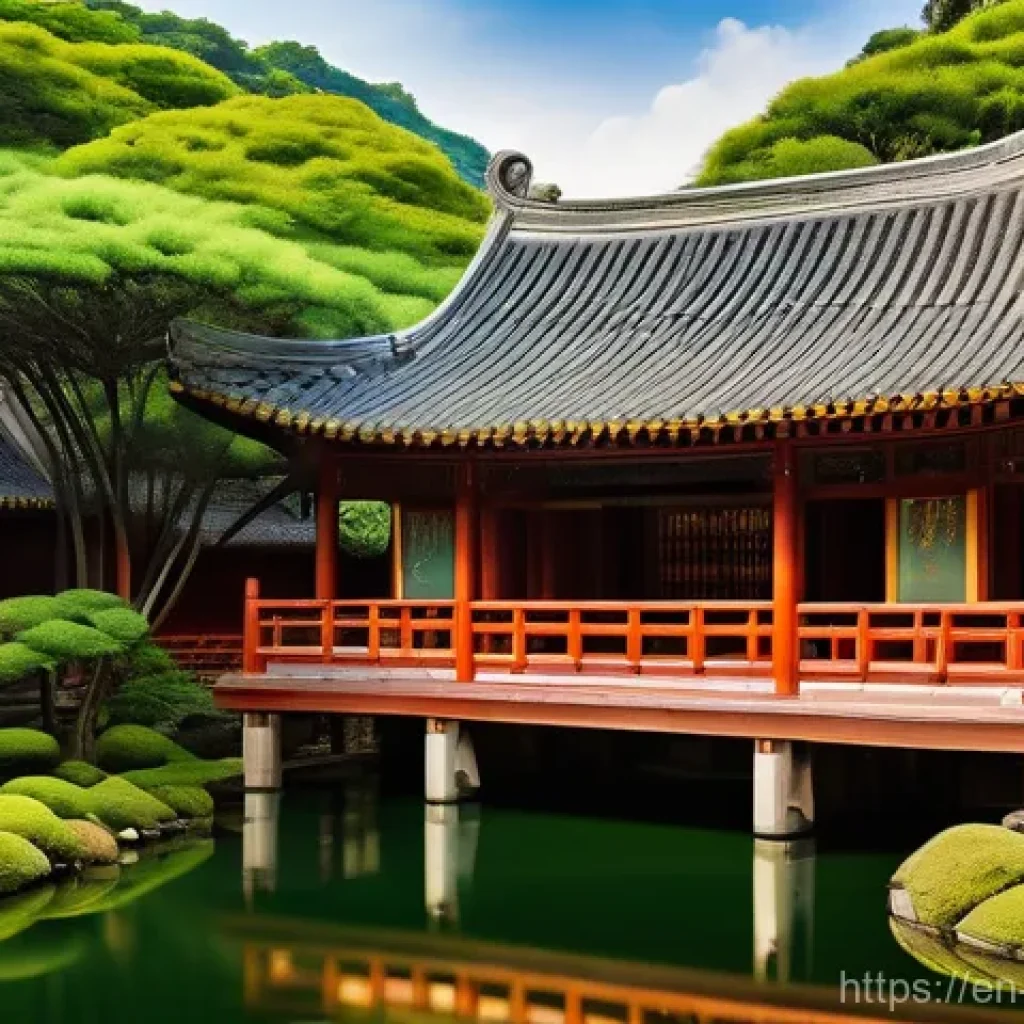
It’s a stark contrast to the minimalist aesthetics often associated with Japanese design, and trust me, it’s absolutely captivating. From breathtaking dragon sculptures that seem to guard every corner to roofs adorned in striking yellow tiles – traditionally reserved for the most sacred places – the structure of these temples is an art form in itself, each detail meticulously crafted to reflect a worldview focused on harmony and the pursuit of a fulfilling present life.
When I first saw it, I was completely blown away by the sheer artistry and how it transports you to another world. Ready to uncover the secrets behind these extraordinary spiritual sanctuaries and their fascinating architectural elements?
Let’s dive in and truly explore!
Exploring the Heart of Taoist Design: A Harmony with Nature
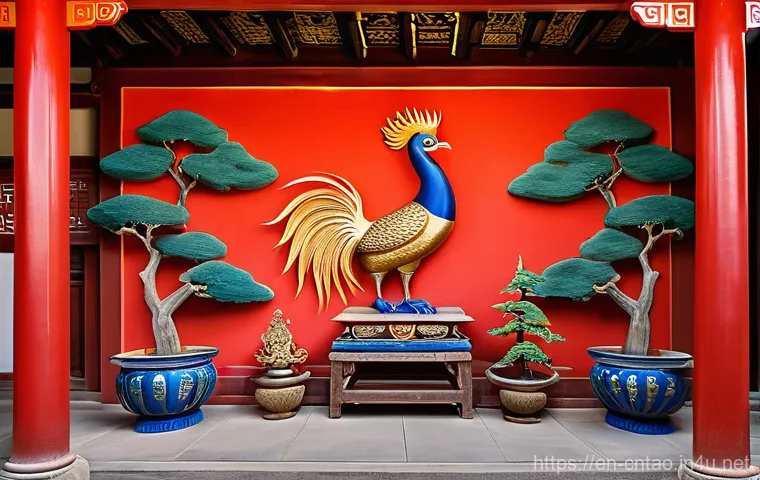
When I first stepped into one of these vibrant Taoist temples, it wasn’t just a visual feast; it was an immersive experience that immediately spoke to my soul.
Unlike the stark, often minimalist beauty of many Japanese shrines and temples, Taoist architecture feels like an open invitation to a world where human artistry deeply respects and integrates with the natural order.
It’s all about creating a sense of balance, flow, and an almost ethereal connection to the landscape around it. The designers of these spiritual sanctuaries truly understood the essence of *qi*, that vital life force energy, striving to guide it harmoniously through every curve and corner.
You’ll notice the absence of harsh, straight lines in many traditional Taoist structures, replaced instead by soft, circular, and curvilinear forms that mimic the natural world, from winding rivers to rolling mountains.
It’s as if the buildings are breathing alongside you, inviting contemplation and peace. I remember feeling an immediate sense of calm wash over me, a tranquility that felt both ancient and incredibly present.
This isn’t just about constructing a building; it’s about crafting an environment where the spiritual and the earthly dance together in perfect synchronicity.
The careful placement of rocks, water features, and lush gardens isn’t merely decorative; it’s fundamental to embodying the Taoist philosophy of *wu wei* – effortless action and working with nature, not against it.
It truly is a masterclass in architectural storytelling.
Embracing Organic Forms and Flow
From the moment you approach, the very layout of a Taoist temple whispers tales of cosmic alignment and natural balance. I’ve noticed how often these temples are sited to take advantage of natural topography, blending seamlessly with their surroundings rather than imposing upon them.
It’s a stark contrast to some more rigid, axially planned temple complexes you might encounter elsewhere. Think of the sweeping, often curved rooflines, reminiscent of arching branches or rolling hills, allowing the structure to “breathe” with the environment.
Circular windows, often called moon gates, serve as stunning visual portals, not just between different physical spaces but almost between realms, inviting you to journey deeper into a contemplative state.
This emphasis on fluidity and natural integration makes each visit feel less like touring a static monument and more like experiencing a living, breathing entity.
My own experience has shown me that spending time observing these subtle design choices truly enhances the spiritual journey.
Gardens of Immortality: Nature as Sanctuary
Many Taoist temples incorporate elaborate gardens that are far more than just pretty landscaping; they’re symbolic microcosms of the universe, designed to inspire reflection on immortality and the flow of life.
I was particularly struck by one temple garden where artificial mountains, representing the mythical Isles of the Immortals, seemed to emerge from serene ponds.
Winding pathways encourage you to wander and explore, revealing hidden views and fostering a sense of discovery, almost like a guided meditation. These gardens are incredibly intentional, integrating water features that symbolize the Tao itself and life-giving forces, along with carefully selected rocks arranged to create miniature cosmic landscapes.
It’s a sensory delight that complements the architecture beautifully, grounding you in nature even within a constructed space.
Dragons, Phoenixes, and the Pursuit of Immortality: Decoding the Symbolism
Stepping into a Taoist temple is like walking into a living mythology book, with every detail, every carving, and every color telling a profound story.
The sheer abundance of symbolic imagery is what truly captured my attention, unlike the often more subdued iconography found in other spiritual traditions.
These aren’t just pretty pictures; they’re deeply rooted in Taoist concepts and teachings, reflecting the pursuit of luck, fulfillment, longevity, and the ultimate dream of eclosion into a fairyland.
Dragons, of course, are ubiquitous – powerful, benevolent creatures often depicted guarding entrances or soaring across rooflines, symbolizing celestial power and protection.
I remember seeing a pair of massive dragon and tiger statues at the entrance of a temple, their fierce gazes making me feel both awed and protected, like they were truly warding off negative energies.
And the phoenix! This majestic bird often accompanies the dragon, representing good fortune, harmony, and renewal. These creatures are more than just mythical beasts; they are auspicious symbols woven into the very fabric of the architecture, meant to bring blessings and guide adherents on their spiritual path.
Auspicious Motifs and Mythical Creatures
Beyond the prominent dragons and phoenixes, you’ll find a treasure trove of other symbolic motifs. Cosmic diagrams, immortals, and various nature scenes are intricately carved into wooden beams and painted onto walls, each imbued with specific Taoist meanings.
I’ve always been fascinated by how these temples use everyday elements to convey profound philosophical ideas. For example, pine and cypress trees, often depicted in murals or as part of the temple grounds, symbolize affection and longevity, while the tortoise represents enduring life.
It’s these smaller, often overlooked details that really bring the temple to life and make you feel connected to a much older, deeper narrative. Taking the time to observe these intricate carvings, you start to feel like you’re piecing together an ancient puzzle, each symbol a clue to the Taoist worldview.
Stories Carved in Stone and Wood
The architectural ornaments in Taoist temples are not just aesthetic; they function as a conventional system of perpetual symbols, designed to pass down wisdom and folklore to future generations.
I’ve spent hours tracing the narratives depicted in the elaborate carvings and murals, which often illustrate popular folklore tales and stories of immortals.
Unlike some Buddhist temples where warrior figures might guard the entrance, Taoist temples often feature a more diverse pantheon of gods and celestial beings, their stories unfolding across the walls and altars.
This narrative approach makes the temples incredibly engaging, even for someone like me who wasn’t initially familiar with every story. It’s like the buildings themselves are whispering ancient wisdom, inviting you to delve into the rich tapestry of Taoist myths and philosophies.
A Splash of Color: Why Taoist Temples Stand Out
If you’re accustomed to the typically natural wood tones and serene grays of many traditional Japanese structures, the vibrant explosion of color in a Taoist temple will absolutely stop you in your tracks.
I know it did for me! It’s one of the most immediate and striking differences, and it immediately signals a distinct cultural and philosophical heritage.
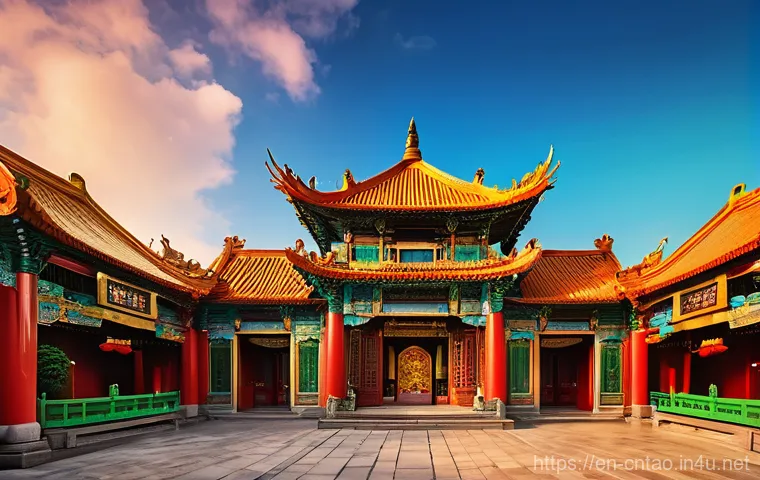
You’ll find walls and ceilings ablaze with bright hues of green, gold, orange, and, most notably, a brilliant yellow. This isn’t just for aesthetic appeal; every color carries deep symbolic weight within Taoist traditions.
The rich, bold palettes evoke a sense of joyous vitality and divine presence, reflecting the Taoist emphasis on embracing life and pursuing happiness and longevity in the present world.
When I first encountered such a temple, the sheer visual exuberance was breathtaking, a vivid contrast that felt almost otherworldly in its intensity.
It’s a celebratory use of color that truly brings the myths and deities to life, making the spiritual experience incredibly immersive and memorable.
The Imperial Yellow and Sacred Spaces
One color that always catches my eye in Taoist temples is the dazzling yellow, often used for roof tiles. Traditionally, this imperial yellow was reserved for structures of the highest significance, often associated with emperors and sacred places.
Its presence in a Taoist temple immediately conveys the immense reverence and spiritual power attributed to the deities and practices housed within. I’ve often wondered about the practicalities of maintaining such brilliant colors in exposed architecture, but seeing them gleam under the sun, it’s clear the intention is to create a truly awe-inspiring spectacle.
It feels like a direct link to ancient imperial China, reminding visitors of the deep historical roots and esteemed status of Taoism.
Intricate Decorations and Festive Accents
Beyond the dominant color schemes, the decorative elements themselves are often saturated with color, creating a rich tapestry of visual information. Think of the ornate carvings, statues, and murals that adorn almost every surface, from the roof to the deepest corners of the temple.
I’ve seen some incredible examples where even small architectural components are meticulously painted with auspicious animals and mythical creatures, adding layers of meaning and beauty.
This intricate, colorful decoration contributes to the festive, celebratory atmosphere that is so characteristic of Taoist worship, fostering a sense of wonder and connection.
It’s a sensory overload in the best possible way, ensuring that every glance reveals a new detail, a new story, a new splash of vibrant life.
Beyond the Main Hall: Unveiling Hidden Gems and Courtyards
While the main halls of Taoist temples are undoubtedly magnificent, I’ve found that some of the most profound and peaceful experiences happen when you venture beyond the primary worship areas and explore the surrounding courtyards and ancillary buildings.
These temple complexes are often designed as a series of connected spaces, each with its own purpose and unique charm, much like a traditional Chinese courtyard layout.
It’s a journey of discovery, where each archway or moon gate leads you to a new vista or a quiet corner perfect for reflection. I often find myself drawn to these less crowded areas, where the sounds of the bustling world outside fade away, replaced by the gentle rustle of leaves or the distant chime of a bell.
This hierarchical arrangement, moving from more public to private spaces, creates a sense of gradual unveiling, allowing you to slowly immerse yourself in the temple’s serene atmosphere.
It’s a design philosophy that encourages exploration and contemplation, inviting you to spend more time absorbing the spiritual energy of the place.
The Serene Courtyard Layouts
Traditional Taoist temples frequently adopt a courtyard style, where various buildings are centered around open, calming spaces. I remember one particular temple where a succession of courtyards, each with its own unique landscaping and small altars, led to the main sanctuary.
These courtyards aren’t just empty spaces; they’re integral to the overall design, serving as tranquil transitions between different functional areas of the temple, such as divine halls, living quarters for Taoists, and reception rooms for pilgrims.
Covered walkways often connect these separate structures, creating a delightful pathway that encourages leisurely strolling and quiet contemplation, shielding you from the elements while providing framed views of the surrounding beauty.
This emphasis on multiple, interconnected courtyards makes a visit feel like an unfolding narrative, a gentle procession through sacred space.
Ancillary Buildings and Spiritual Practices
Beyond the grand halls, the smaller, less prominent buildings often reveal the deeper, everyday aspects of Taoist practice. You might find rooms dedicated to reading scriptures and practicing asceticism, or perhaps a medicine garden and orchard, reflecting the Taoist focus on health and longevity.
I’ve also seen reception rooms where pilgrims can rest and connect, or even parks designed for visitors to relax and enjoy the serene environment. These spaces highlight that a Taoist temple is not just a place for worship, but a vibrant community hub and a center for holistic well-being.
It’s in these quiet corners that you can truly appreciate the full spectrum of activities and beliefs that make up Taoism.
My Personal Reflections: Finding Balance in Ancient Stones
Visiting these extraordinary Taoist temples, especially in a country renowned for its different spiritual aesthetics, has been an incredibly enriching and, frankly, unexpected journey for me.
I initially came to Japan captivated by its Zen gardens and Shinto shrines, but stumbling upon these colorful, myth-laden Taoist sanctuaries opened up an entirely new dimension of cultural exploration.
It’s truly like uncovering a hidden gem, and my own experience has been one of constant awe and learning. The way the architecture so boldly expresses its philosophical underpinnings – the pursuit of harmony with nature, longevity, and a joyful present life – resonated deeply with me.
I remember feeling a profound sense of connection to the ancient wisdom embedded in these structures, a feeling that goes beyond mere admiration for craftsmanship.
It’s an almost visceral reminder that different paths lead to similar human aspirations, and that beauty can manifest in countless forms.
Connecting with a Different Spiritual Narrative
What struck me most was how these temples told a different kind of story than what I was used to in Japan. While Buddhist temples often evoke introspection and detachment, and Shinto shrines celebrate purity and nature, Taoist temples felt like an embrace of vibrant life itself, with their lively deities and narrative murals.
I found myself captivated by the stories of immortals and mythical creatures depicted in the carvings, each offering a glimpse into a worldview that values flourishing in this life.
It was a refreshing perspective, encouraging me to think about my own pursuit of balance and well-being. This direct, often celebratory expression of belief made the spiritual principles feel very accessible and relatable, even for someone from a different cultural background.
The Power of Architectural Immersion
There’s something incredibly powerful about how deeply the Taoist philosophy is woven into the very structure of these temples. It’s not just an idea; it’s a physical, tangible experience.
When I wandered through a temple where the buildings seemed to mimic the surrounding hills, or where circular “moon gates” framed views of serene gardens, I felt like the architecture itself was guiding me towards a state of inner harmony.
It’s a testament to the architects’ understanding of how physical space can influence our emotional and spiritual states. My time exploring these temples has truly reinforced my belief in the power of travel to broaden one’s understanding of the world, and more importantly, of oneself.
Planning Your Journey: Tips for Discovering Japan’s Taoist Treasures
If my tales of vibrant dragons and colorful deities have piqued your interest (and I really hope they have!), then you’re probably wondering how you can experience these amazing Taoist architectural wonders for yourself.
While perhaps not as abundant as Buddhist temples or Shinto shrines, the Taoist influences, often intertwined with broader Chinese architectural styles, are truly worth seeking out in Japan.
My best advice for anyone planning to visit is to do a little research beforehand to identify specific locations that showcase these unique elements. Remember, these aren’t always explicitly labeled as “Taoist temples” in the same way you might find them in China, but rather places that incorporate significant Taoist iconography and design principles due to historical cultural exchange.
It’s a bit like a treasure hunt, and that’s part of the fun! When I embark on these kinds of adventures, I always make sure I have comfortable shoes and an open mind, ready for whatever hidden beauty I might uncover.
Researching Your Destinations
Start by looking for temples in areas with a strong history of cultural exchange with China, as this is where Taoist influences are most likely to be found.
Don’t be afraid to search for general “Chinese-influenced temples” or “temples with unique colorful architecture” in different regions. Look for mentions of specific decorative elements like dragons, phoenixes, or a predominant use of bright colors, especially imperial yellow, as these are strong indicators of Taoist design principles.
User reviews and travel forums can also be incredibly helpful in finding those lesser-known, yet architecturally rich, sites that might not be on every tourist map.
Making the Most of Your Visit
Once you’re there, take your time! These aren’t places to rush through. I always recommend slowing down and observing the details.
- Look up: The roofs are often adorned with the most spectacular and symbolic carvings.
- Examine the gates: Pay attention to the guardian figures, which might be dragons and tigers instead of the more common Nio statues found in Buddhist temples.
- Notice the colors: How are they used? What emotions do they evoke?
- Explore the courtyards: Wander through the ancillary buildings and gardens; some of the most serene spots are often found away from the main worship hall.
And don’t forget your camera! These temples are incredibly photogenic, and capturing their vibrant beauty is a fantastic way to remember your unique journey.
Architectural Distinctions: Taoist vs. Other Japanese Spiritual Sites
When you’ve seen as many spiritual sites in Japan as I have, you start to notice the subtle – and sometimes not-so-subtle – differences that define each architectural style.
It’s fascinating how intertwined yet distinct the influences of Shinto, Buddhism, and Taoism are in the built environment. While there’s certainly some overlap, especially given Japan’s long history of cultural adaptation, understanding the core characteristics can really deepen your appreciation for each site.
I remember initially struggling to differentiate, but over time, certain tell-tale signs became clear, allowing me to instantly recognize the philosophical roots embedded in the very stones and timbers.
It’s like learning to read a secret language, and once you grasp the basics, a whole new world of understanding opens up.
Identifying Key Structural Cues
The architectural language of Taoist temples, heavily influenced by its Chinese origins, often stands apart from its Japanese counterparts. For instance, while Japanese Buddhist temples often feature prominent pagodas and a focus on grand main halls, and Shinto shrines are identifiable by their distinctive *torii* gates and more natural, unpainted wood, Taoist temples often present a more ornate and vividly colorful appearance.
You’ll typically find a strong emphasis on courtyard layouts, with multiple halls arranged along a central axis, often featuring highly decorative elements that tell specific folk stories.
The use of rich, bright colors like green, gold, and vibrant yellow is also a significant differentiator.
Symbolism and Iconography: A Visual Guide
Beyond the structural layout, the specific iconography provides crucial clues.
| Feature | Taoist Temple | Buddhist Temple (Japan) | Shinto Shrine (Japan) |
|---|---|---|---|
| Dominant Colors | Vibrant: Red, green, gold, imperial yellow | Often natural wood, red cinnabar, white walls (sometimes), darker roofs | Natural wood, red *torii* gates, minimal color |
| Key Symbols | Dragons, phoenixes, immortals, cosmic diagrams, auspicious animals (tortoise, crane) | Buddha statues (often multiple), bodhisattvas, lotus flowers, wheel of dharma, Nio guardian statues | *Torii* gates, *shimenawa* ropes, *kami* (spirits), mirror, *gohei* (wands) |
| Roof Style | Often intricate, heavily decorated, curved, sometimes with yellow tiles | Multi-tiered pagodas, curved roofs, often tiled | Gable roofs, simple curves, often thatched or plain tiled |
| Overall Atmosphere | Vibrant, lively, narrative-rich, focused on present life and immortality | Serene, contemplative, focused on enlightenment and afterlife | Pure, natural, respectful of local deities and nature |
| Entrance Guardians | Often dragon and tiger statues | Nio statues (fierce guardian figures) | None (or sometimes Komainu, lion-dog statues) |
I’ve learned that by observing these details, you can not only identify the religious affiliation but also gain a deeper appreciation for the unique philosophical journey each site offers.
It’s truly a journey of cultural discovery, one step at a time.
Closing Thoughts
Well, what an incredible journey we’ve taken through the fascinating world of Taoist architecture, especially as it manifests in the rich tapestry of Japan’s spiritual landscape! For me, uncovering these vibrant, storytelling structures has been nothing short of a revelation. It’s truly amazing how these temples, with their riot of color and mythical creatures, offer such a unique perspective on faith, nature, and the pursuit of a fulfilling life. I hope my shared experiences have sparked a similar sense of wonder in you, encouraging you to look a little closer, to feel a little deeper, and to find the hidden gems that truly enrich our travels.
Useful Information to Know
1. Spotting Taoist Influence: While overt “Taoist temples” are rarer in Japan, many Buddhist temples and even some Shinto shrines, particularly those with a long history of Chinese cultural exchange, display distinct Taoist architectural elements. Look for bright, multi-colored roofs, intricate carvings of dragons and phoenixes, and a prevalence of yellow and green hues in decorations. Also, observe if the layout emphasizes flowing forms and integration with natural landscape, rather than strict symmetry.
2. Etiquette at Sacred Sites: When visiting any temple or shrine in Japan, showing respect is paramount. Remember to keep your voice down, turn your phone to silent, and refrain from eating or drinking in sacred areas. You’ll likely be asked to remove your shoes before entering indoor areas, so comfortable, easy-to-remove footwear and clean socks are always a good idea. Photography is generally allowed outdoors, but often restricted inside main halls out of respect for the enshrined deities and artifacts.
3. Purification Rituals: Many temples and shrines have a *temizuya* (purification fountain) near the entrance. The general ritual involves scooping water with a ladle, washing your left hand, then your right, then pouring a small amount into your cupped left hand to rinse your mouth (spitting the water beside, not into, the basin), and finally rinsing the ladle by letting water flow down the handle. While not always strictly Taoist, it’s a common practice at many Japanese sacred sites.
4. Recommended Locations: If you’re specifically searching for prominent Taoist architecture in Japan, a notable example is Seitenkyu Temple in Sakado City, Saitama Prefecture, which is recognized as Japan’s largest Taiwanese Taoist temple, boasting incredible detail and vibrant colors. Yokohama’s Chinatown also features a Tokyo Mazu Temple and Yokohama Ma Zu Miao, showcasing distinctively Chinese (and often Taoist-influenced) design.
5. Engaging with Local Culture: Don’t just observe; engage! Consider making a small offering (a 5-yen coin is considered lucky, called “go-en” which also means “good fate”) at the offering box, and if you’re curious, you can purchase amulets or *omikuji* (fortunes). Taking time to simply sit in the courtyards and absorb the peaceful atmosphere can be incredibly rewarding, offering a deeper connection to the spiritual energy of the place.
Key Takeaways
The beauty of Taoist design, with its focus on harmony with nature, rich symbolism, and vibrant use of color, offers a truly distinct spiritual experience, even within Japan’s diverse architectural landscape. From the sweeping rooflines mimicking mountains to the mythical creatures whispering ancient tales, every element is a testament to a philosophy that celebrates life and seeks balance. This architectural style, often intertwined with broader Chinese influences, stands out from traditional Japanese Buddhist and Shinto aesthetics through its exuberant expression and deep narrative layers, inviting us to explore a different, yet equally profound, path to spiritual connection.
Frequently Asked Questions (FAQ) 📖
Q: What exactly makes these Taoist temples in Japan stand out so dramatically from the more traditional Japanese shrines and Buddhist temples we usually encounter?
A: Oh, that’s such a fantastic question, and one I ask myself every time I visit! What truly grabbed me from the get-go was the sheer burst of color and detail.
While many traditional Japanese spiritual sites whisper with a serene, minimalist beauty, these Taoist temples practically sing with vibrant hues and intricate carvings.
You’ll see a symphony of reds, golds, and blues, often featuring breathtaking dragon sculptures that seem to guard every corner with ancient wisdom. It’s a world away from the tranquil wood and stone, offering a completely different kind of visual and spiritual feast.
I felt like I stepped right into a lively storybook!
Q: You mentioned some incredible architectural details like dragon sculptures and yellow roofs. Can you tell us more about what we should keep an eye out for when visiting one of these unique temples?
A: Absolutely! When you step into one of these places, your eyes are in for a treat. First off, those dragon sculptures aren’t just for show – they’re often seen as guardians and symbols of power and good fortune in Taoist belief.
Then there are the roofs: keep an eye out for striking yellow tiles! I learned that yellow was traditionally reserved for the most sacred and imperial places, so seeing it adorning these temples immediately tells you about their significance.
Every single carving, from mythical creatures to scenes from ancient legends, feels like it’s telling a profound story. It’s not just ornamentation; it’s a visual narrative of a deep philosophy, and honestly, the craftsmanship alone is enough to make you stop and stare for ages.
Q: Beyond the stunning visuals, how do these unique architectural elements, like the vibrant colors and detailed carvings, actually reflect the core philosophies of Taoism?
A: This is where it gets really fascinating for me! The vivid colors and the almost playful, intricate details you see everywhere aren’t just about aesthetics; they’re deeply symbolic of Taoist principles.
Unlike some traditions that might focus more on an afterlife or austerity, Taoism often emphasizes living harmoniously and vibrantly in the present moment, embracing the natural world and seeking balance.
So, these temples, with their explosion of life and color, their powerful dragon imagery, and their intricate storytelling carvings, become a physical manifestation of that worldview.
They encourage you to engage with life, to find joy and harmony here and now. I personally found it incredibly uplifting and refreshing!