In today’s fast-paced world, many are seeking deeper meaning and ancient wisdom to navigate life’s challenges. Taoist mythology offers a fascinating glimpse into a spiritual universe filled with powerful gods, timeless legends, and mystical secrets that have inspired countless generations.
Whether you’re curious about the origins of Taoist deities or eager to uncover hidden teachings that can enrich your daily journey, this exploration promises to captivate your imagination.
Join me as we dive into the enchanting realm where myth meets spirituality, revealing insights that resonate even in our modern lives. Let’s unlock these ancient mysteries together and discover how they continue to influence culture and consciousness today.
The Dance of Cosmic Forces in Taoist Thought
Balancing Yin and Yang in Everyday Life
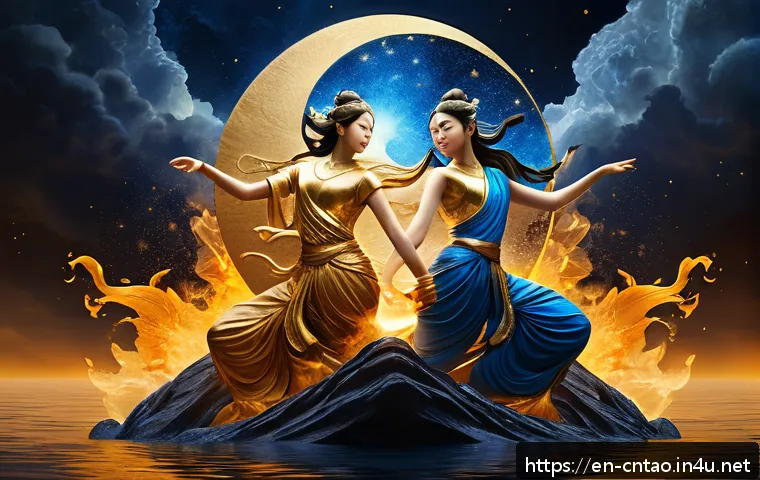
Understanding the delicate balance of yin and yang is like tuning into a cosmic rhythm that influences everything from the weather to our moods. Yin represents the feminine, dark, and passive aspects, while yang embodies masculinity, brightness, and activity.
What struck me most personally is how this balance plays out in small daily decisions—like when to push forward with a project or when to step back and rest.
Taoist mythology doesn’t just treat yin and yang as abstract concepts; it weaves them into stories where gods and spirits embody these forces, showing us that harmony is dynamic, not static.
Experiencing this balance in my own life helped me appreciate that challenges often arise when one force dominates the other, and the solution is always to seek a natural equilibrium.
The Role of the Five Elements in Shaping Destiny
Wood, fire, earth, metal, and water aren’t just materials; they’re living symbols that represent phases of change and transformation. These elements interact in cycles of creation and destruction, influencing everything from personality traits to health.
I found it fascinating how Taoist sages used these elements to predict and guide life paths, a practice that feels eerily aligned with modern holistic health trends.
For instance, someone with a strong fire element might be passionate but prone to burnout, suggesting the need to incorporate more water elements like calmness and reflection.
This framework encourages us to look beyond surface traits and understand the deeper energetic flows that shape our experiences.
Mythical Narratives as Mirrors of Human Nature
Taoist myths often personify natural phenomena and moral lessons through gods and spirits, creating rich allegories that resonate even today. One story I encountered described a deity who governs the rivers, embodying both nurturing and destructive powers.
This duality reminded me of how human nature is rarely black or white—we all carry contradictions within us. The myths don’t aim to simplify but to reveal complexity, urging us to accept our flaws and strengths alike.
This storytelling tradition serves as a spiritual mirror, offering insights into how we might navigate our own inner landscapes with compassion and wisdom.
Symbols and Rituals that Connect Heaven and Earth
The Power of Sacred Geometry in Taoist Practices
Sacred geometry, like the Bagua diagram, isn’t just a mystical pattern but a practical tool that maps the universe’s energies. When I first explored the Bagua, I was amazed at how it applies to everything from architecture to personal growth.
It’s a reminder that the cosmos is structured and that aligning ourselves with this structure can bring clarity and peace. Many Taoist temples and altars incorporate these geometric patterns, creating spaces charged with spiritual resonance.
Using these symbols in meditation or daily rituals can help ground scattered thoughts and open pathways to deeper intuition.
Rituals as Pathways to Inner Transformation
Taoist rituals often involve offerings, chants, and movements designed to harmonize the individual with the cosmos. I tried participating in a simple incense offering ritual and felt an unexpected calm wash over me, as if the act itself was a bridge connecting my mundane concerns to something larger.
These practices are not about blind devotion but intentional alignment—each gesture is a dialogue between the earthly and the divine. The physicality of the rituals makes spirituality tangible, allowing practitioners to experience transformation beyond intellectual understanding.
The Role of Talismans and Amulets
Talismans in Taoism are more than lucky charms; they’re believed to channel protective energies and spiritual guidance. What intrigued me was how these objects are personalized, often inscribed with specific symbols or prayers tailored to one’s needs.
Carrying or placing a talisman in your living space creates a subtle but constant reminder of protection and intention. This practice highlights the Taoist view that the material and spiritual worlds are deeply intertwined, and even small objects can serve as conduits for higher forces.
Lessons from Taoist Legends for Modern Well-being
Embracing Flexibility and Flow
One of the most enduring messages from Taoist mythology is the importance of adaptability—like water that yields yet overcomes obstacles. In my own hectic schedule, applying this principle meant learning to go with the flow rather than resisting change.
The legends teach that rigidity leads to suffering, while flexibility fosters resilience. This lesson resonates strongly in today’s fast-paced world, where unexpected challenges arise daily.
Taoist stories encourage us to stay soft yet strong, bending without breaking, which I’ve found invaluable both personally and professionally.
Finding Strength in Stillness
Many Taoist tales emphasize the power of quietude and introspection. I recall a story of a sage who sat silently for years, embodying the idea that true strength often comes from within, not from external action.
Practicing meditation and stillness helped me cultivate patience and clarity, qualities that made a noticeable difference in decision-making and stress management.
These legends remind us that in silence, we reconnect with our deeper selves and the natural order, gaining insight that action alone can’t provide.
Harmony with Nature as a Way of Life
Taoist myths celebrate the natural world as a sacred teacher and companion. Spending time in nature, I felt firsthand the wisdom in these stories—how observing a flowing river or the changing seasons can reveal profound truths about life cycles and impermanence.
The myths encourage living in harmony with the environment rather than trying to dominate it. This perspective has influenced my lifestyle choices, nudging me toward sustainability and mindfulness, which feels like a modern echo of ancient wisdom.
Mapping the Divine Hierarchy in Taoism
The Roles of Celestial Guardians
Taoist cosmology includes a vast pantheon of celestial beings, each overseeing different aspects of the universe and human affairs. I found it fascinating that these guardians aren’t distant, aloof figures but active participants in the cosmic balance.
For example, some protect the harvest, others guard health, and some guide souls in the afterlife. Understanding their roles provides a sense of cosmic order and reassurance that the universe is cared for by benevolent forces.
This knowledge inspired me to develop a more personal relationship with these deities through prayer and reflection.
The Intersection of Mortals and Immortals
Stories often depict mortals achieving immortality through virtue, wisdom, or mystical practice, highlighting a path accessible to all. This theme resonated deeply because it suggests that spiritual transcendence isn’t reserved for gods but is a potential within each of us.
These legends blend aspiration with practical guidance, encouraging self-cultivation and moral integrity. Experiencing this narrative helped me approach personal growth with both humility and hope, seeing it as a lifelong journey rather than a distant ideal.
The Influence of Taoist Deities on Cultural Traditions

Many festivals, art forms, and folk customs have roots in Taoist mythology, illustrating how these divine figures permeate cultural identity. For instance, certain deities are celebrated annually with elaborate ceremonies that bring communities together.
Witnessing such traditions firsthand revealed how mythology remains alive, shaping social bonds and shared values. This integration of spirituality and culture underscores the enduring relevance of Taoist gods beyond mere myth, influencing daily life and collective memory.
Understanding Taoist Wisdom through Nature’s Lens
The Symbolism of Animals and Plants
Taoist myths often assign symbolic meanings to animals and plants, reflecting qualities like wisdom, longevity, or transformation. I was particularly drawn to the crane, symbolizing immortality and grace, which frequently appears in Taoist art and stories.
These symbols serve as accessible metaphors, allowing people to connect with spiritual teachings through familiar natural elements. Incorporating these symbols into meditation or art can deepen one’s spiritual practice by anchoring abstract concepts in tangible imagery.
Water as a Teacher of Tao
Water’s humble yet unstoppable nature is a central metaphor in Taoism. Watching how water flows around obstacles, nourishes life, and carves landscapes over time, I gained a fresh appreciation for patience and persistence.
This metaphor doesn’t just stay in stories but offers practical advice: be soft but persistent, yielding yet powerful. Embracing this mindset helped me navigate personal challenges with less resistance and more grace, showing how ancient wisdom can translate into modern resilience.
The Cycles of Nature Reflecting Life’s Changes
Taoist mythology often mirrors natural cycles like the seasons, moon phases, and tides to illustrate life’s rhythms. Recognizing these cycles in my own experiences—times of growth, rest, and transformation—provided a framework for understanding change as natural rather than threatening.
This perspective fosters acceptance and reduces anxiety about the unknown. The myths teach that by aligning with nature’s flow, we can live more harmoniously and with greater peace of mind.
Practical Applications of Taoist Teachings Today
Incorporating Taoist Philosophy into Mindfulness Practices
I found that Taoist principles beautifully complement modern mindfulness techniques. The emphasis on being present, observing without judgment, and embracing impermanence aligns with practices like meditation and breathwork.
Applying these ideas helped me cultivate a deeper sense of calm and clarity amidst daily chaos. Taoist stories and metaphors enrich mindfulness by providing a spiritual context that inspires patience and compassion, making the practice feel more holistic and rooted in ancient wisdom.
Using Taoist Concepts to Enhance Creativity
The Taoist appreciation for spontaneity and natural flow has influenced my creative process profoundly. Instead of forcing ideas or outcomes, I learned to trust the unfolding of inspiration, much like the effortless movement of the Tao itself.
This shift reduced creative blocks and opened new avenues for expression. Taoist mythology, with its vivid imagery and fluid narratives, offers endless inspiration for artists, writers, and thinkers seeking to connect with deeper sources of creativity.
Adopting Taoist Ethics for Personal Growth
Taoist teachings encourage virtues like humility, simplicity, and compassion, which resonate strongly in today’s complex world. Practicing these ethics helped me navigate relationships and professional challenges with greater grace and authenticity.
The myths often highlight how pride and excessive desire lead to downfall, while modesty and contentment bring lasting peace. Living by these principles doesn’t mean renouncing ambition but balancing it with a grounded sense of purpose and respect for others.
| Taoist Concept | Symbolism | Modern Application |
|---|---|---|
| Yin and Yang | Balance of opposites | Managing work-life harmony, emotional regulation |
| Five Elements | Phases of transformation | Holistic health, personality insight, environmental awareness |
| Sacred Geometry | Cosmic order and structure | Mindfulness, spatial harmony in living spaces |
| Water Metaphor | Flexibility and persistence | Stress management, creative flow |
| Taoist Ethics | Humility, simplicity, compassion | Personal growth, ethical leadership |
The Living Legacy of Taoist Mythology in Contemporary Culture
Influence on Modern Spiritual Movements
Taoist mythology continues to inspire various spiritual paths today, blending ancient wisdom with contemporary practices like yoga, meditation, and energy healing.
I’ve noticed how many wellness communities reference Taoist ideas, especially the flow of qi (energy) and the balance of yin and yang. This ongoing relevance shows that Taoism’s insights into harmony and nature remain vital for people seeking meaning beyond material success.
It’s heartening to see these age-old teachings adapted in ways that respect their origins while addressing modern needs.
Impact on Arts and Literature
From classic poetry to modern films and graphic novels, Taoist myths provide rich material that artists draw upon to explore themes of transformation, mystery, and the supernatural.
Encountering these stories in diverse media deepened my appreciation for their symbolic power and cultural resonance. The fluidity and ambiguity inherent in Taoist tales invite multiple interpretations, making them endlessly fascinating sources of creativity.
This artistic legacy helps keep the mythology alive, inviting new generations to engage with its wisdom.
Role in Environmental Philosophy
Taoism’s reverence for nature aligns closely with contemporary environmental ethics emphasizing sustainability and interconnectedness. The mythology’s portrayal of humans as part of a larger web of life offers a powerful counter-narrative to exploitative attitudes.
This perspective influenced my own approach to environmental responsibility, encouraging practices that honor natural cycles and minimize harm. Taoist stories remind us that protecting the earth is not just practical but sacred work, vital for the well-being of all beings.
Concluding Thoughts
Exploring Taoist mythology reveals timeless wisdom about balance, transformation, and harmony with nature. These ancient teachings still resonate deeply, offering guidance for personal growth and modern well-being. Embracing Taoist principles encourages us to flow with life’s changes and cultivate inner peace. By weaving these insights into daily life, we can foster resilience and deeper connection with the world around us.
Useful Information to Keep in Mind
1. Taoist concepts like yin and yang provide practical frameworks for managing emotional and work-life balance.
2. The Five Elements offer a holistic approach to understanding personality, health, and environmental cycles.
3. Sacred geometry such as the Bagua diagram can enhance mindfulness and spatial harmony in living spaces.
4. Taoist metaphors, especially water, teach flexibility and persistence useful for stress management and creativity.
5. Incorporating Taoist ethics like humility and compassion supports authentic personal growth and ethical leadership.
Key Takeaways
Taoist mythology is not just spiritual lore but a living philosophy that informs how we interact with ourselves, others, and nature. Its emphasis on balance, adaptability, and humility provides practical tools for navigating modern challenges. By honoring the interconnectedness of all things, Taoism invites a life of mindful presence and ethical intention. Embracing these teachings can lead to greater harmony, resilience, and meaningful personal development.
Frequently Asked Questions (FAQ) 📖
Q: uestions about Taoist Mythology and Its Spiritual InsightsQ1: What are the main Taoist deities, and what roles do they play in the mythology?
A: Taoist mythology features a rich pantheon of gods, each embodying different aspects of nature, the cosmos, and human virtues. Key figures include the Jade Emperor, who governs the heavens and maintains cosmic order; Laozi, revered as a divine sage and founder of Taoism; and the Three Pure Ones, representing the pure essence of the Tao at different levels.
These deities symbolize the balance between yin and yang, guiding followers toward harmony and spiritual enlightenment. From my experience exploring Taoist texts, these gods are not distant beings but archetypes reflecting inner qualities we can cultivate.
Q: How can Taoist myths be applied to modern life for personal growth?
A: Taoist myths offer timeless wisdom that helps us navigate complexity with simplicity and grace. Stories about flowing with nature, embracing change, and finding balance resonate deeply in today’s hectic world.
For example, the concept of “wu wei,” or effortless action, encourages letting go of forceful control and instead moving in harmony with circumstances.
When I started applying these principles, I noticed less stress and more clarity in decision-making. Integrating Taoist teachings into daily routines—like mindful breathing or observing natural cycles—can enrich your journey toward inner peace and resilience.
Q: Are there hidden teachings in Taoist mythology that remain relevant for spiritual seekers today?
A: Absolutely. Beyond the surface tales of gods and immortals, Taoist mythology encodes profound philosophical and spiritual insights. Many myths serve as allegories for understanding the Tao—the fundamental flow of the universe—and our place within it.
Practices such as meditation, alchemy, and energy cultivation are rooted in these ancient stories, offering tools for transformation. From my own practice, uncovering these deeper layers revealed a pathway not just to knowledge, but to lived experience of harmony and vitality that feels incredibly relevant even now.