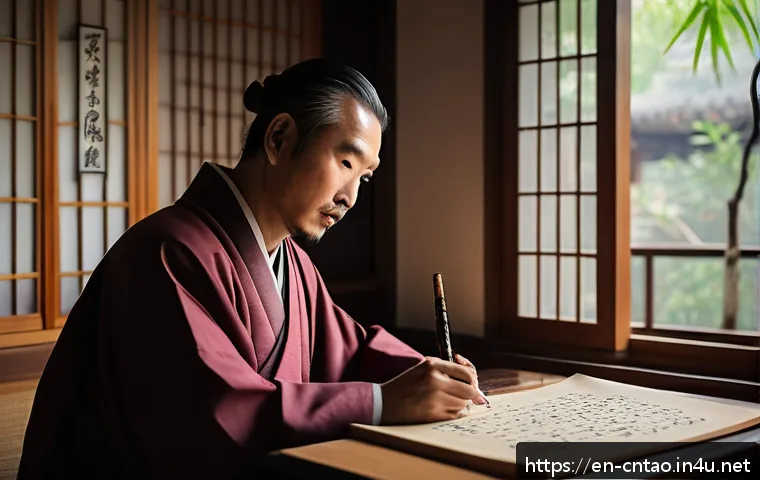
In a world that’s constantly evolving, finding steady guidance can feel like chasing shadows. Recently, many have turned to ancient philosophies for clarity amid modern chaos.

Among these, The Analects stands out—not just as a historical text but as a treasure trove of timeless wisdom that speaks directly to today’s challenges.
Whether it’s navigating personal relationships or making ethical decisions at work, the insights from Confucius offer surprisingly practical advice. Join me as we explore how these age-old teachings can transform your daily life, making complexity simpler and purpose clearer.
You might be surprised how relevant this classic really is.
Finding Balance in Personal Growth
Embracing Continuous Self-Improvement
Life rarely hands us a perfect roadmap, and that’s where the wisdom of constant self-improvement comes in. Confucius emphasized that personal development isn’t a one-time achievement but an ongoing journey.
I’ve found that approaching each day as an opportunity to learn something new, whether it’s a small skill or a shift in mindset, can gradually reshape how we interact with the world.
It’s not about perfection but progress—being patient with yourself while staying committed to growth. This mindset helps me stay grounded when life feels overwhelming, reminding me that every step forward counts.
Understanding the Power of Reflection
Reflection is often overlooked in today’s fast-paced environment. Yet, taking time to pause and honestly evaluate our actions can unlock deeper insights.
From my experience, carving out moments to journal or simply sit quietly and think about recent choices has been transformative. It’s like hitting a mental reset button, allowing me to spot patterns and decide if I’m aligned with my values or drifting away.
This practice, deeply rooted in ancient philosophy, encourages us to be mindful architects of our own character rather than passive observers.
Balancing Humility and Confidence
One of the trickiest balancing acts in personal growth is knowing when to be humble and when to stand firm. Confucius taught that humility isn’t about diminishing yourself but recognizing your limits and remaining open to learning from others.
Meanwhile, confidence fuels action and resilience. Through real-world challenges, I’ve learned that embracing humility helps build stronger relationships and invites collaboration, while confidence keeps you moving forward despite doubts.
The key is to let humility and confidence coexist, creating a foundation for authentic leadership and self-respect.
Building Meaningful Relationships Through Empathy
Listening as an Act of Respect
In today’s digital world, genuine listening has become a rare art. Confucian thought reminds us that true listening goes beyond hearing words; it’s about fully engaging with another person’s perspective.
I’ve noticed that when I actively listen—putting away distractions and focusing entirely on the speaker—conversations become richer and conflicts easier to navigate.
This simple shift deepens trust and shows respect, which are crucial ingredients for any healthy relationship, whether personal or professional.
Practicing Compassion in Everyday Interactions
Compassion isn’t just a lofty ideal; it’s a practical tool for connection. Applying this principle has made a noticeable difference in how I handle disagreements or stressful moments with colleagues and friends.
Instead of reacting impulsively, imagining the other person’s struggles or viewpoints often softens my response. This approach doesn’t mean agreeing blindly but choosing kindness as a first step.
Over time, it fosters a more supportive environment where people feel valued and understood.
Setting Boundaries with Integrity
While empathy encourages understanding, it’s equally important to maintain clear boundaries. Confucius highlighted the virtue of righteousness, which includes standing firm on what’s right without being harsh.
Learning to say no or gently assert limits has been challenging but empowering. It protects your well-being and prevents resentment from building up. When boundaries are communicated with honesty and respect, relationships grow stronger because they’re built on authenticity rather than obligation.
Applying Ethical Wisdom to Modern Workplaces
Leading with Integrity and Accountability
In my experience, workplaces thrive when leaders embody integrity—not just by following rules but by modeling ethical behavior consistently. Confucius’s emphasis on sincerity and responsibility resonates deeply here.
When managers admit mistakes and take ownership, it creates a culture where employees feel safe to do the same. This openness fuels trust and collaboration, which ultimately drives better results.
Ethical leadership isn’t about perfection but about showing up honestly and guiding by example.
Making Decisions That Reflect Core Values
Decision-making often feels like a tightrope walk between what’s easy and what’s right. The Analects encourage us to anchor choices in virtue rather than convenience.
I’ve seen that when I pause to consider how a decision aligns with my core values—honesty, fairness, respect—it leads to outcomes that not only feel right but also build long-term credibility.
This approach might take more courage, especially when facing pressure, but it pays off by fostering integrity in every action.
Encouraging Collaboration Over Competition
While competitive drive is common in many industries, Confucian philosophy leans toward harmony and cooperation. I’ve found that teams focused on mutual support rather than cutthroat rivalry tend to innovate more and sustain morale better.

Encouraging open communication and valuing each person’s contribution creates a sense of shared purpose. This doesn’t mean ignoring ambition but balancing it with empathy and collective well-being, which ultimately leads to a healthier work environment.
Mastering the Art of Communication
Choosing Words with Intention
Words have power, and Confucius’s teachings highlight the importance of thoughtful speech. I’ve noticed that when I slow down and consider the impact of my words before speaking, conversations become more constructive.
This intentionality helps avoid misunderstandings and builds respect. Whether delivering feedback or sharing ideas, framing messages with clarity and kindness transforms interactions and opens doors rather than closing them.
Reading Between the Lines
Communication isn’t only about what’s said but also what’s left unsaid. Paying attention to tone, body language, and context reveals deeper meanings. From personal experience, tuning into these subtle cues has helped me respond more empathetically and avoid conflicts.
This skill requires patience and practice but enriches relationships by showing others that you truly understand them beyond surface-level exchanges.
Adapting Communication Styles to Different Audiences
No two people communicate the same way, and recognizing this diversity is key. I’ve learned that adapting my style—whether being more direct with some or more gentle with others—makes a huge difference in how messages are received.
This flexibility not only improves clarity but also demonstrates respect for the other person’s preferences and cultural background, fostering smoother and more effective interactions.
Finding Purpose Through Virtuous Living
Aligning Daily Actions with Personal Beliefs
Living purposefully means more than setting goals; it’s about aligning what you do every day with what you truly believe in. Confucius’s wisdom encourages us to act consistently with our moral compass.
I’ve experienced that when my actions reflect my values, even mundane tasks gain meaning and motivation. This alignment creates a sense of integrity that feeds confidence and satisfaction, making life feel more coherent and fulfilling.
Contributing to Community Beyond Self
True purpose often extends beyond individual success to contributing positively to others. The Analects remind us that personal virtue benefits society as a whole.
Volunteering, mentoring, or simply being a reliable friend are ways I’ve seen this principle come alive. These acts might seem small but collectively build a stronger, more compassionate community, reinforcing the idea that our lives are interconnected.
Embracing Challenges as Opportunities for Growth
Challenges can feel like obstacles or invitations, depending on perspective. Confucian teachings frame difficulties as chances to cultivate patience, resilience, and wisdom.
I’ve found that reframing setbacks as learning moments transforms frustration into motivation. This mindset shift encourages embracing discomfort rather than avoiding it, leading to deeper personal and spiritual growth over time.
Practical Insights from The Analects Summarized
| Area of Life | Confucian Principle | Modern Application |
|---|---|---|
| Personal Growth | Continuous self-cultivation | Daily learning habits and self-reflection |
| Relationships | Empathy and respect | Active listening and compassionate responses |
| Workplace Ethics | Integrity and accountability | Ethical leadership and value-based decisions |
| Communication | Thoughtful speech and understanding | Intentional wording and adaptive styles |
| Purpose | Virtuous living and community focus | Aligning actions with values and serving others |
In Closing
Balancing personal growth, meaningful relationships, ethical leadership, and purposeful living is a continuous journey that shapes who we become. By embracing self-improvement, empathy, and integrity, we create a life of deeper fulfillment and connection. Remember, every small step forward builds a stronger foundation for your future. Keep reflecting, adapting, and moving with intention.
Helpful Information to Keep in Mind
1. Consistency in learning and self-reflection fuels lasting personal development.
2. Active listening and compassion strengthen trust and improve relationships.
3. Ethical leadership requires transparency and accountability to inspire teams.
4. Thoughtful communication tailored to your audience reduces misunderstandings.
5. Living according to your values brings purpose and positively impacts your community.
Key Takeaways
Personal growth thrives on ongoing effort and honest reflection, not perfection. Cultivating empathy alongside clear boundaries fosters authentic, respectful relationships. Leading with integrity and making values-based decisions build trust in any workplace. Effective communication involves intention and adaptability, while living virtuously aligns everyday actions with a greater sense of purpose. Embracing these principles leads to a balanced, meaningful life.
Frequently Asked Questions (FAQ) 📖
Q: How can the teachings of The
A: nalects help me manage stress in today’s fast-paced world? A1: The Analects emphasize inner balance, mindfulness, and the cultivation of virtue, which can serve as powerful tools against modern stress.
By focusing on self-improvement and maintaining harmony in relationships, you create a stable foundation that helps you stay calm amidst chaos. Personally, I found that reflecting on Confucius’s advice about knowing oneself and practicing patience made a real difference in handling daily pressures more gracefully.
Q: Is The
A: nalects relevant for making ethical decisions in a professional environment? A2: Absolutely. The Analects promote integrity, respect, and responsibility—values that are essential in any workplace.
Confucius’s guidance on leading by example and prioritizing the collective good over personal gain can help foster a positive, ethical culture at work.
From my experience, applying these principles encourages trust and cooperation, which not only improves work relationships but also enhances overall productivity.
Q: How do the teachings of The
A: nalects apply to improving personal relationships today? A3: The Analects highlight the importance of empathy, respect, and sincere communication, which are timeless keys to strong personal connections.
Confucius teaches that relationships thrive when each person fulfills their role with kindness and understanding. In my own life, adopting these teachings helped me listen more deeply and respond more thoughtfully, leading to more meaningful and lasting bonds with family and friends.